Ancient societies relied on barter as a means of transaction, especially in trade, and used many materials, animals and their hides, agricultural crops, and various goods. They also used metals as an alternative and essential elements of barter, such as gold, silver, and copper.
These are the basic materials that paved the way for the formation of currencies in a codified and organized manner, and were used as reference standards in transactions, these currencies contributed to the control of regions and the extension of influence and were used as a means of promoting rulers and political systems that prevailed at the time.
These are the basic materials that paved the way for the formation of currencies in a codified and organized manner and were used as reference standards in transactions. These currencies contributed to the control of regions and the extension of influence and were used as a means of promoting rulers and political systems that prevailed at the time.
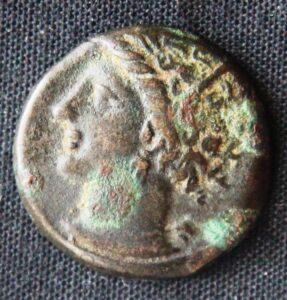
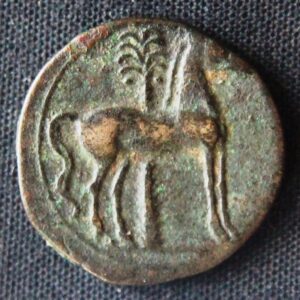
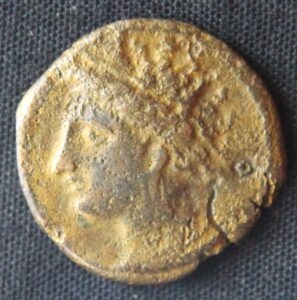
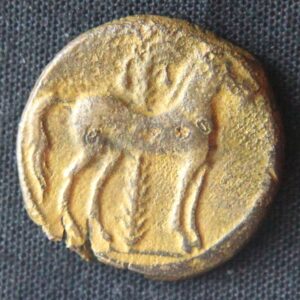
The characteristics of the Carthaginian coins: Coins issued by Carthage were distinguished by containing a representation of a horse on the front of the coin, a palm tree on the back, and Punic letters symbolizing the name of the city “Carthage” and representing the source of the coin. Symbols and images on the Carthaginian coin.
Gold coins:
Models of the Carthaginian gold coin have been found, which are coins of the “shekel” type (7.5 g), known to the Greeks as “statere” and equivalent to 4 Greek drachmas. Carthage also deliberately minted the gold coin only in Carthage. During the wars that Carthage waged against Rome, and its defeat and the losses it incurred, and the taxes and compensations imposed by Rome, Carthage had to review and reduce the weight of the coins.
Silver coins:
Carthage minted silver coins of the shekel type, with its parts and doubles, and the denomination of the currency is determined by its weight, 1 shekel = 7.7 g / double shekel 15 g / triple shekel 22.2 g / we also find a quarter shekel = 2.7 g.
Bronze coins:
This is the most common and widely distributed currency. We note that the minting of bronze coins was not limited only to the city of Carthage, and the currency was minted in many cities, for example, the city of Algiers (Ikozium) and the city of Qouraya (Qunugo). There are different types of bronze coins: 2 shekels: weight 14.5 g / diameter between 26 and 30 mm 1 shekel: weight 5.5 g / diameter between 18 and 22 mm 1/2 shekels: Weight 2.75 g / diameter between 14 and 18 mm 1/4 shekel: weight 1.60 g / diameter between 13 and 14 mm 1/8 shekel: weight 1.20 g / diameter between 10 and 11 mm.
Note on the front of the coin
Note on the back of the coin
Numidian and Mauretanian kingdoms’ coins
The North African area experienced, during the third century B.C., ownership rivalries between the “Masil” tribes in the east and “Massissil” tribes in the west. From this period, we began to receive the names of the kings who ruled the area through material evidence, especially the coins minted in their names, as an indication of their geographical territory and their political influence in the region.
Characteristics of Numidian and Mauretanian coins:
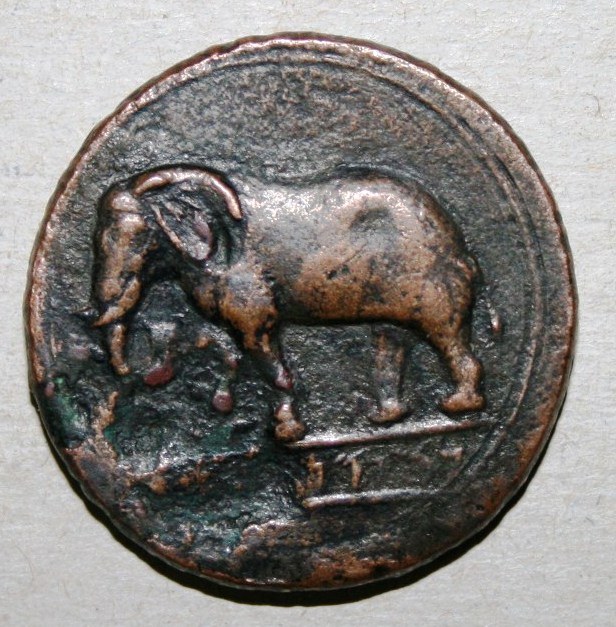
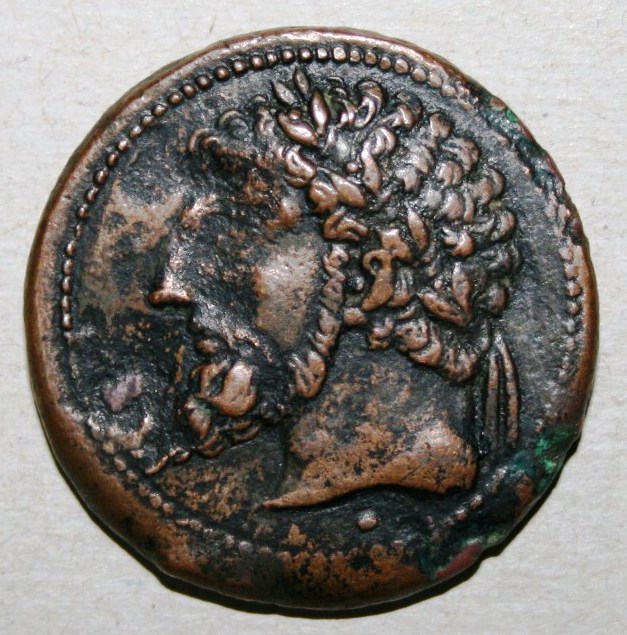
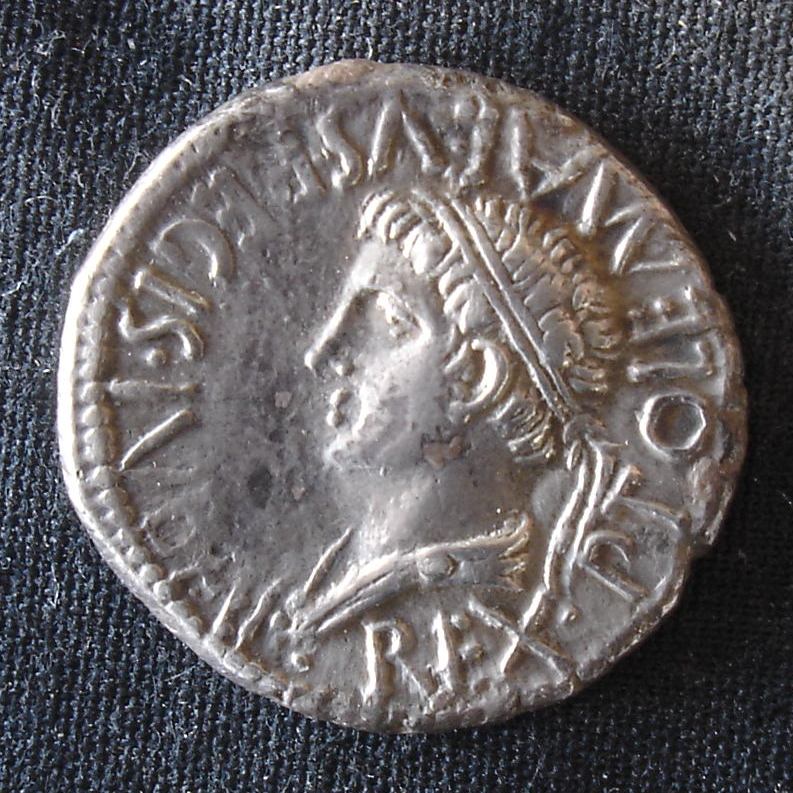
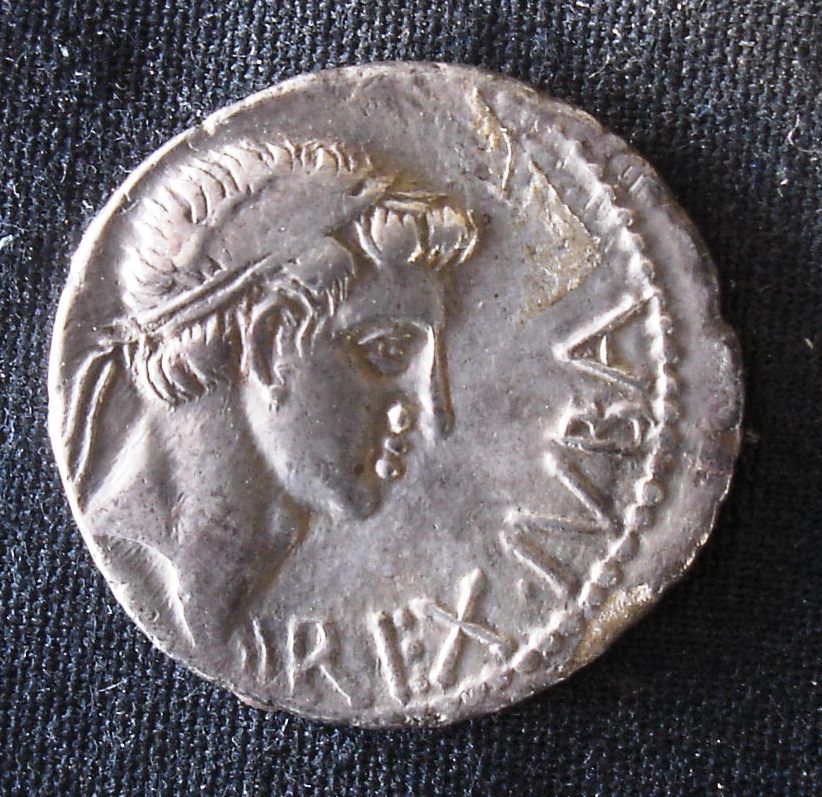
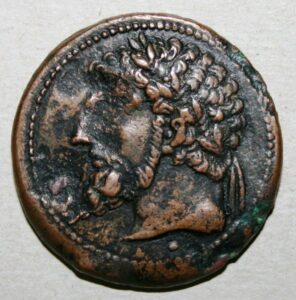
Numidian coinage was minted in a similar way to Carthaginian coinage to a large extent, and it included a representation of human images, which were specific to the rulers such as the image of the king “Massinissa”, king “Yuba”, king “Bocchus” and others. Their images were accompanied by an inscription of their names, first in Punic and then in Latin. In some coins, the images appear without any inscription.
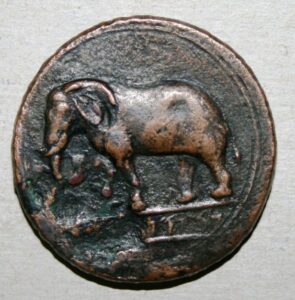
On the back of the coins, there are often images of animals, the most famous of which is the horse, depicted in immobility or in a running position, accompanied by Punic forms and symbols and letters that suggest the names of the kings.
Roman Currency
In their commercial transactions, the Romans used stamped metal coins. Roman currency as we know it was not minted until centuries after the founding of Rome. Their coins varied in the type of metals used.
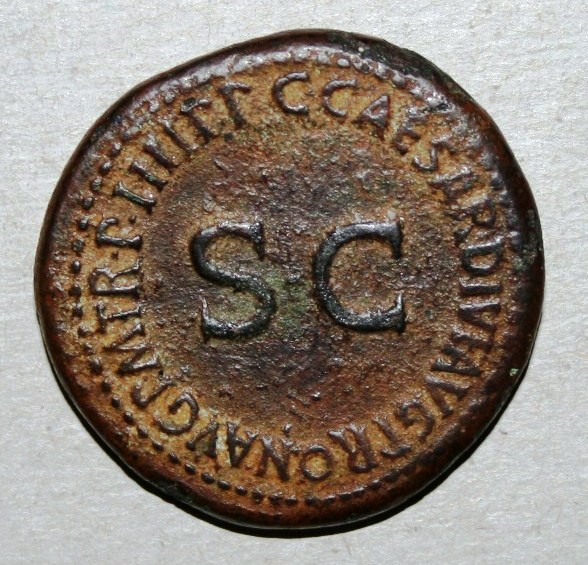
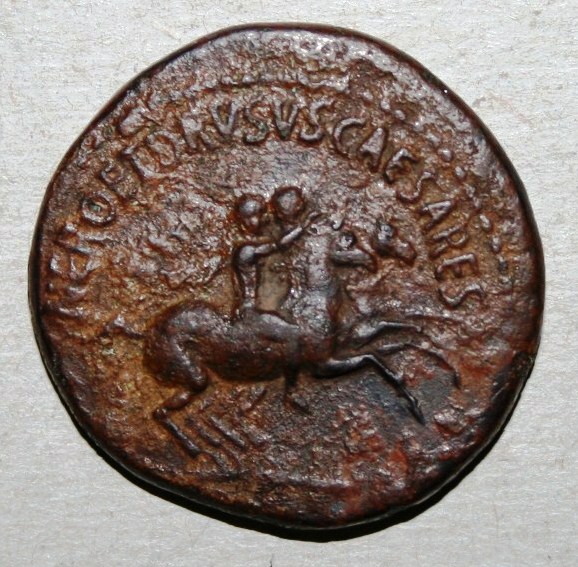
Note on the front of the coin
Note on the back of the coin
Symbols and images of the Roman currency :
There are many images and symbols on the Roman coin, especially in the imperial era. The face of the coins usually includes the image of the emperor with a legend and his multiple titles. In some cases, we find images of relatives of the emperor such as the wife, while on the reverse of the coin we find pictorial representations of the gods as the goddess of victory, for example, or a variant of Rome on the throne, or the representation of the wolf feeding the twins Remus and Romulus, and other representations that usually perpetuate an event during the reign of the emperor.
Bronze coins (As):
This is the first Roman currency, used in commercial exchanges. It has known several weights throughout history while keeping the standard of one As as a reference unit for the weight of the coins.
Silver Coin (Denarius): The issue of the silver coin came late to the Romans, and its form was similar to the Greek coin “drachma”, with a weight of 4.55 g. It came in three types: Nummus denarius: equivalent to 10 times the As Nummus quinarius: equivalent to 5 times the As Nummus sestertius: equivalent to 2.5 denarii.
Gold Coins (Aureus):
The first Roman gold coins appeared in 217 BC and were known as “Aureus”,
Weighing between 4 and 6 grams, the issuance of this coin was interrupted at times and returned during the reign of Caesar, where he issued a coin called “Quinarius”, which is equivalent to half of the Aureus.
Note on the front of the coin
Note on the back of the coin
Previous
Next
The Roman currency underwent reforms, the most important of which was that of the emperor Augustus, where he adjusted the value of the currency.
Roman currency during the 4th century
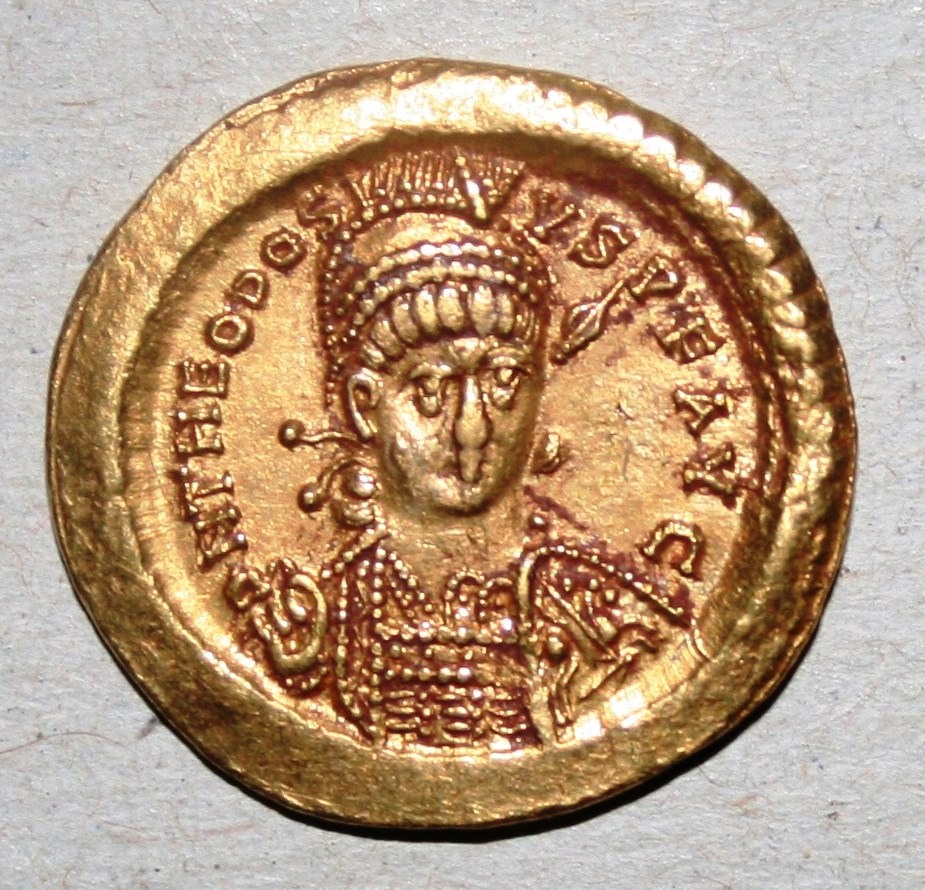
Emperor Constantius, I made reforms to the monetary system, where he issued a pure gold coin called “solidus” weighing 4.5 g. During this period the names of the coins changed, both for the silver and bronze coins, even the scenes and images changed, the front of the coin remained the same as the previous coins, bearing the image of the emperor and his titles, while in the backside we find promotional scenes and phrases for the rulers that reflect the political situation.
Byzantine coins
Byzantine coins are an extension of Roman coins, but they were not of the same quality. Economic conditions allowed the inclusion of several reforms in the monetary regime. In general, we find several currencies, the gold solidus, and the bronze coin.
Two of the most prominent rulers of the Byzantine period are Anastasius and Justinian.
The Vandals, after entering North Africa through the Strait of Gibraltar in 429 AD and progressing eastward, left behind them much loss and destruction.
After their arrival and settlement in Carthage, for nearly a century, Carthage was the only city to issue Vandal coins, which somewhat resembled Byzantine coins in terms of shape and use of symbols.