About the Project
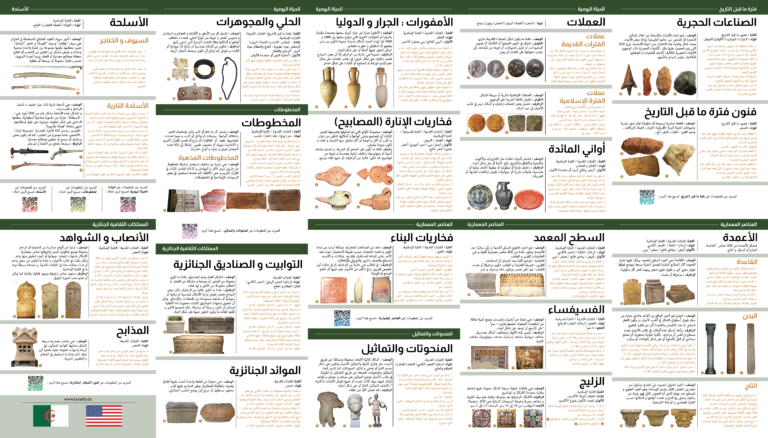
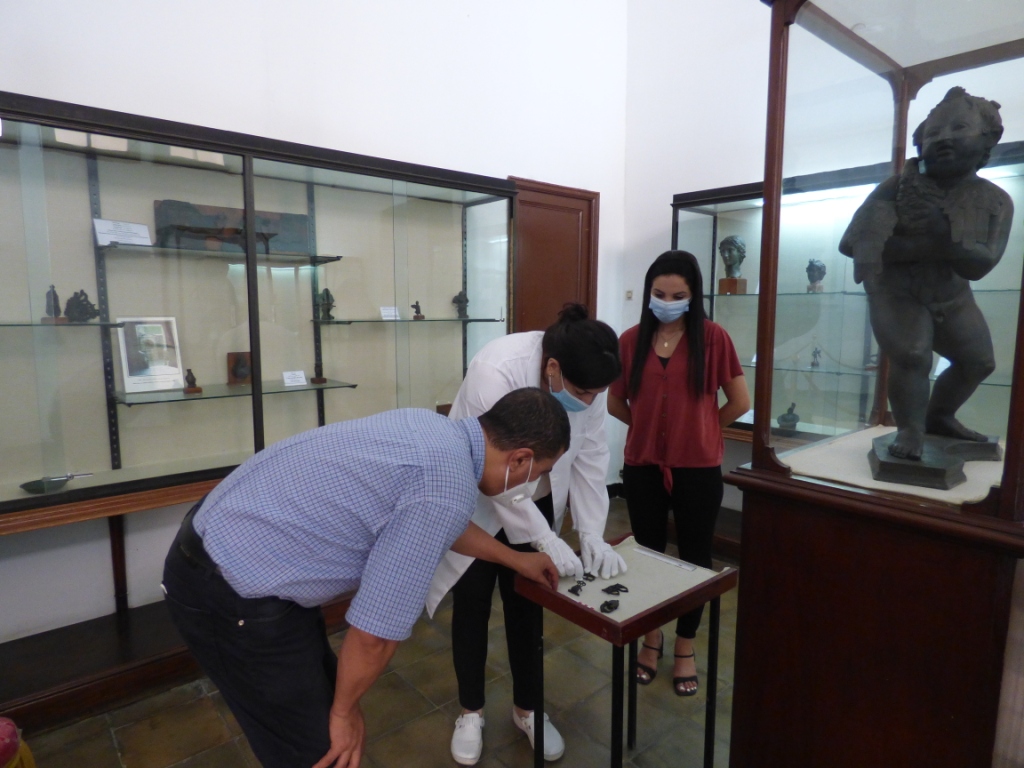
In order to support the Algerian efforts to combat illicit trafficking of cultural heritage, and with funding from the United States Embassy in Algeria, The Antiquities Coalition team worked in coordination with the Ministry of Culture and Arts with the involvement of a number of museums in order to build a photographic guide and an electronic database, allowing the identification of cultural objects.
The Photo guide and the database are a work tool, intended primarily for the use of local customs officers, law enforcement, and international partners involved in the fight against illicit trafficking of cultural property, as an initial step that allows them to identify cultural goods, through a preliminary comparison between their finds and similar artifacts. However, this tool is available to everyone with the aim of engaging and empowering the civil society for the protection of Algeria’s cultural heritage.
This database illustrates the categories or types of cultural objects that are most likely to be looted, stolen, and illicitly traded. Please note that due to the great diversity of artifacts, types, and eras, this guide does not present an exhaustive list of cultural artifacts of Algeria, nor does it illustrate cultural artifacts that are actually stolen.
Our Goals
Our goal of cultural heritage preservation is enhanced by digitization. Digitization protects our shared heritage and enhances global security against cultural racketeering, the illicit trade in ancient art and artifacts.
Our Mission
Digitization protect our shared heritage and global security against cultural racketeering, the illicit trade in ancient art and artifacts.
Core Values
Our core values serve as the foundation of our organizational culture and practice, guiding our roadmap as we work to achieve our mission.
Ministry Team




Antiquities Coalition Team
Core Values
These eight values represent the beliefs we hold in our
mission to protect and preserve cultural heritage
We Ensure
Cultural heritage is inseparable from individual and community identity. Access to it is a fundamental human right, necessitating the protection and preservation of antiquities and historical sites. The intentional destruction of cultural heritage is a violation of human rights.
We Realize
Antiquities and the ancient sites from which they come are irreplaceable resources. They serve as a tangible link to our culture, history, and environment, helping us to understand who we are, who we have been, and who we may become. While they hold different value to different peoples, they predate many of the modern world’s political, economic, and religious differences, and thus unite rather than divide us.
We Denounce
This shared heritage is being destroyed by cultural racketeering, the looting and trafficking of antiquities, to feed the growing market for ancient art. The illicit trade is robbing future generations of their past. It is also a threat to economic and national security, as it is closely linked to the financing of organized crime, armed conflict, and violent extremism.
We Condemn
Terrorist organizations are additionally using heritage as a weapon of war, through ideological and intentional cultural destruction. This is an atrocity crime in itself, as well as a warning sign of impending war crimes, crimes against humanity, and genocide.
We Praise
Responsible cultural exchange can fight these threats by fostering mutual understanding, appreciation, and respect among peoples and nations. The lawful and ethical collection and trade in antiquities can do the same, so long as it does not harm local communities, disrupt the historical record, or fund crime, conflict, or violent extremism. Repatriation can also serve as a bridge between cultures, and moreover, an opportunity to right past wrongs.
We Support
Cultural heritage is a fundamental source of innovation, creativity, and development. Responsible tourism can promote sustainable economic growth and is an important component of the fight against poverty.
We Emphasize
Nations must safeguard cultural heritage within their borders, holding it in trust for their citizens and those of the world, while also honoring the cultural heritage of other nations.
We Value
We believe in the universality of this mission and that everyone has a role to play.
Sponsored by The US Embassy in Algeria
We Ensure
Cultural heritage is inseparable from individual and community identity. Access to it is a fundamental human right, necessitating the protection and preservation of antiquities and historical sites. The intentional destruction of cultural heritage is a violation of human rights.
We Realize
Antiquities and the ancient sites from which they come are irreplaceable resources. They serve as a tangible link to our culture, history, and environment, helping us to understand who we are, who we have been, and who we may become. While they hold different value to different peoples, they predate many of the modern world’s political, economic, and religious differences, and thus unite rather than divide us.
We Denounce
This shared heritage is being destroyed by cultural racketeering, the looting and trafficking of antiquities, to feed the growing market for ancient art. The illicit trade is robbing future generations of their past. It is also a threat to economic and national security, as it is closely linked to the financing of organized crime, armed conflict, and violent extremism.
We Condemn
Terrorist organizations are additionally using heritage as a weapon of war, through ideological and intentional cultural destruction. This is an atrocity crime in itself, as well as a warning sign of impending war crimes, crimes against humanity, and genocide.
We Praise
Responsible cultural exchange can fight these threats by fostering mutual understanding, appreciation, and respect among peoples and nations. The lawful and ethical collection and trade in antiquities can do the same, so long as it does not harm local communities, disrupt the historical record, or fund crime, conflict, or violent extremism. Repatriation can also serve as a bridge between cultures, and moreover, an opportunity to right past wrongs.
We Support
Cultural heritage is a fundamental source of innovation, creativity, and development. Responsible tourism can promote sustainable economic growth and is an important component of the fight against poverty.
We Emphasize
Nations must safeguard cultural heritage within their borders, holding it in trust for their citizens and those of the world, while also honoring the cultural heritage of other nations.
We Value
We believe in the universality of this mission and that everyone has a role to play.
Sponsored by The US Embassy in Algeria