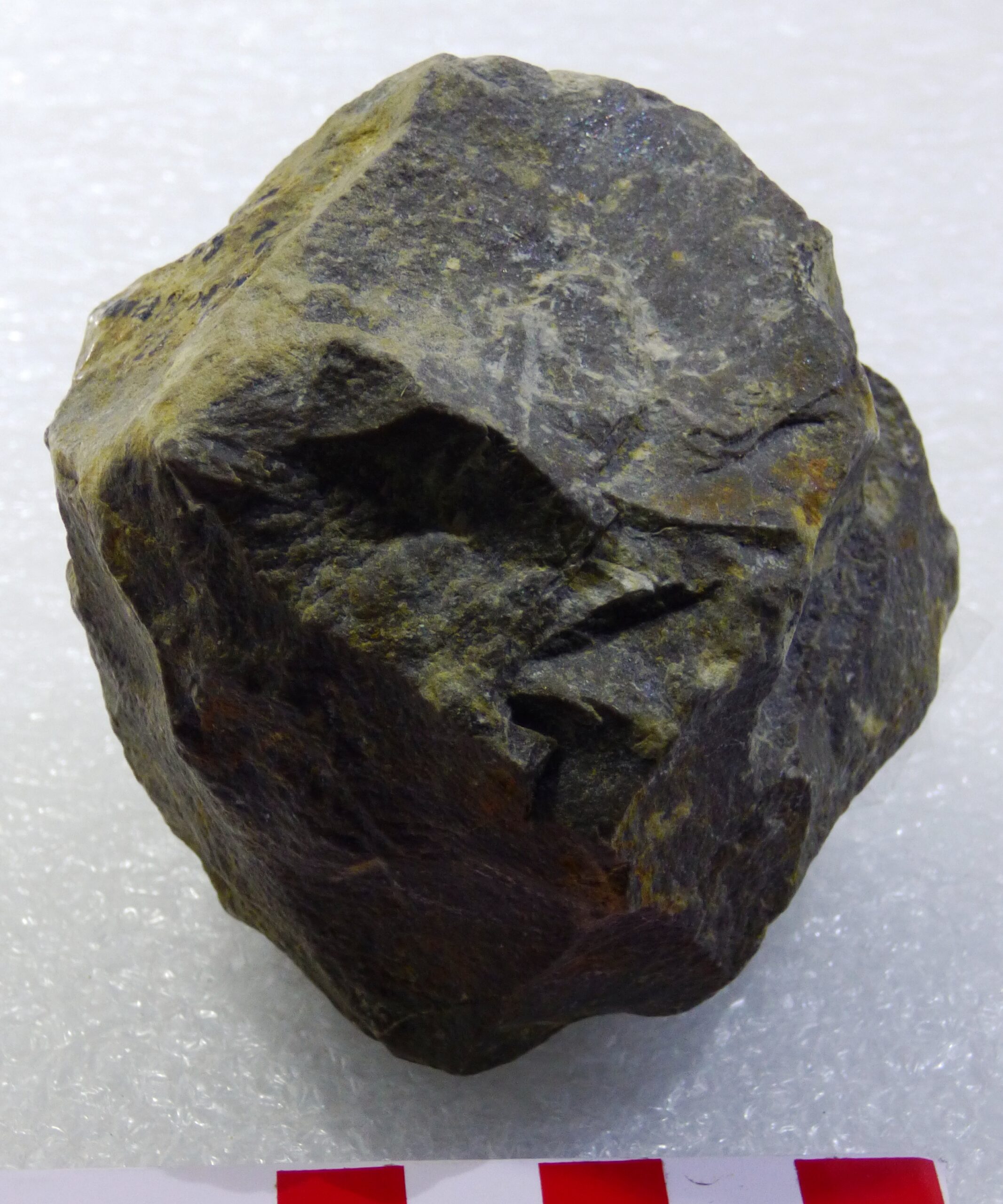
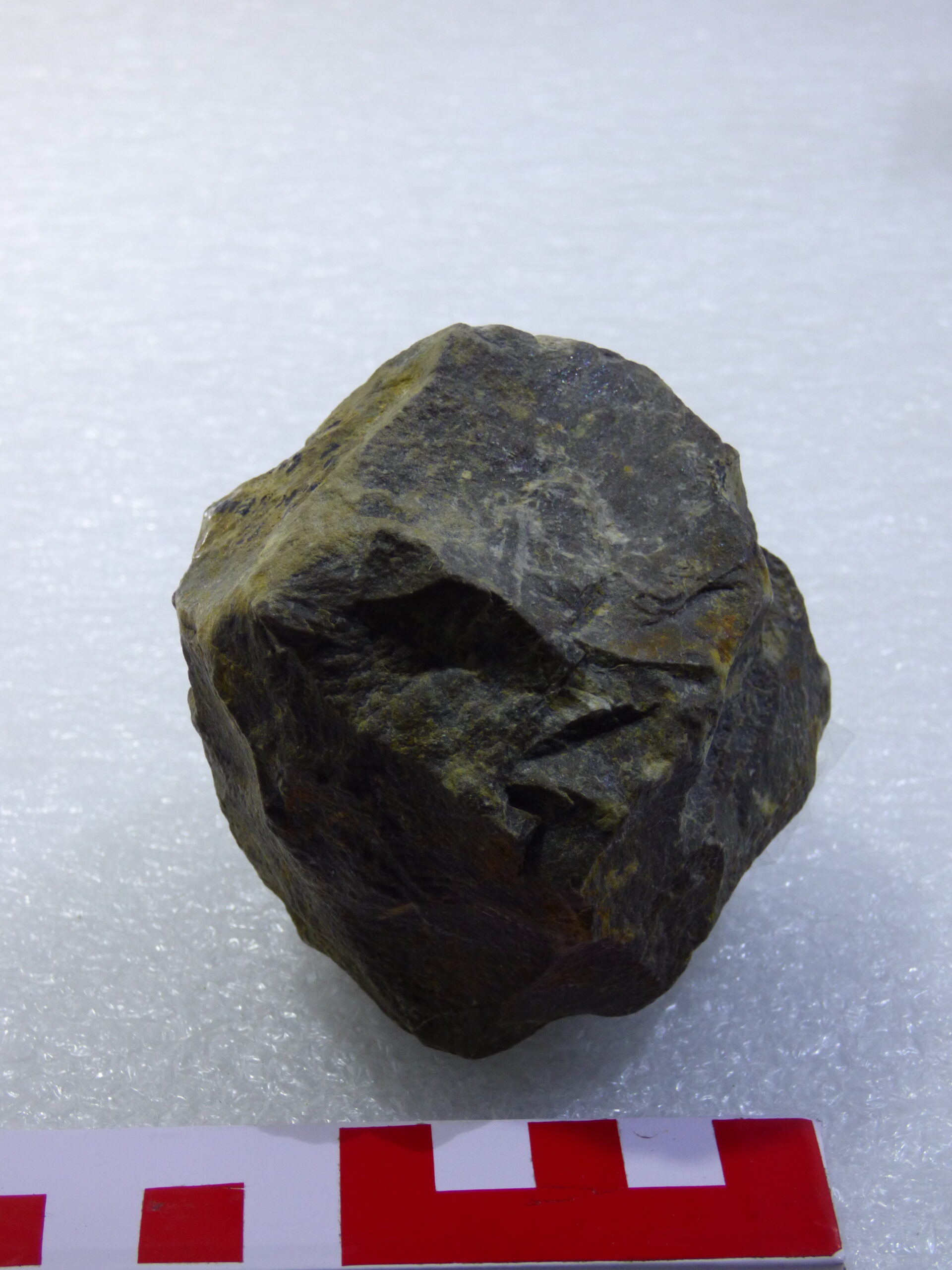
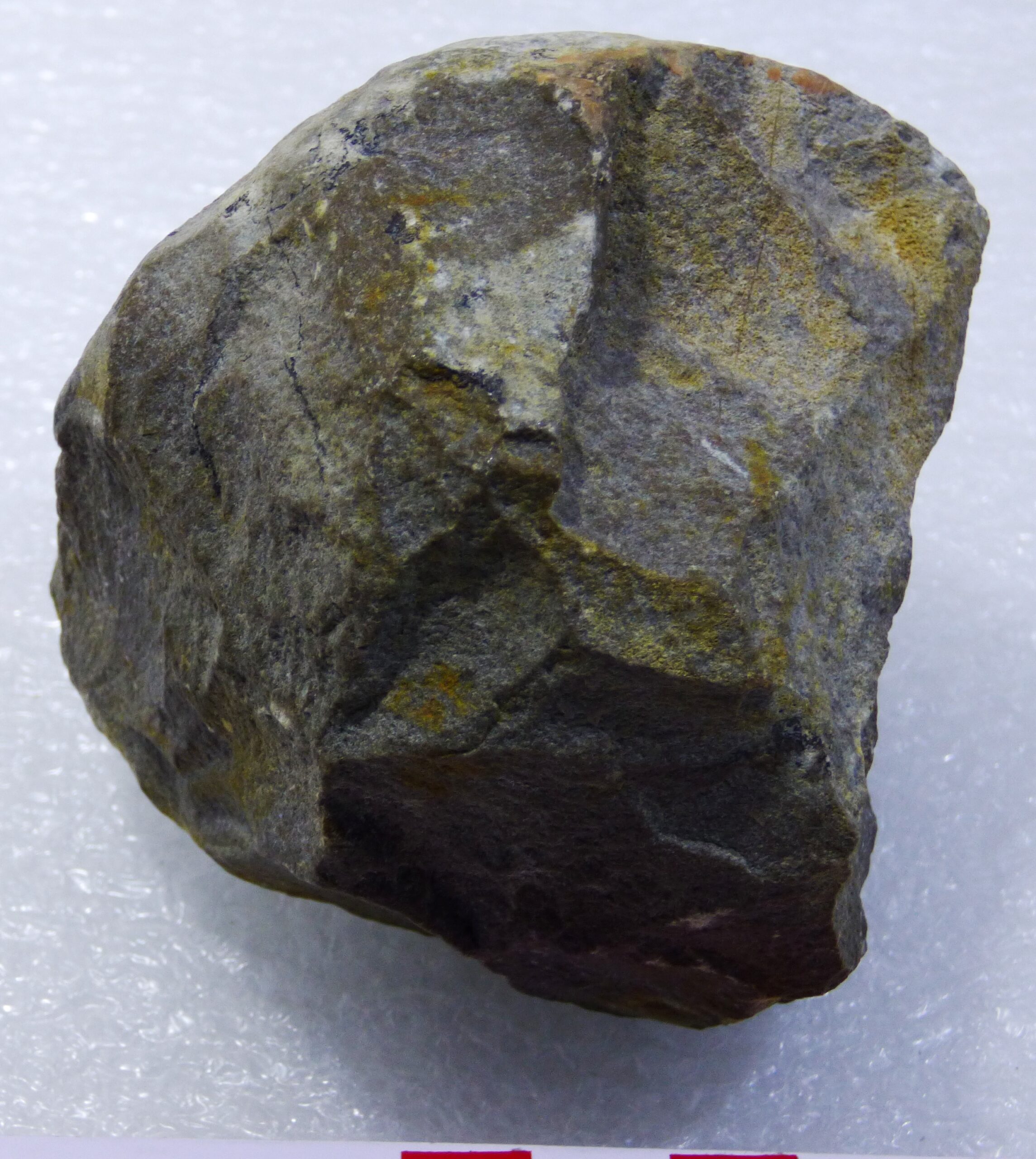
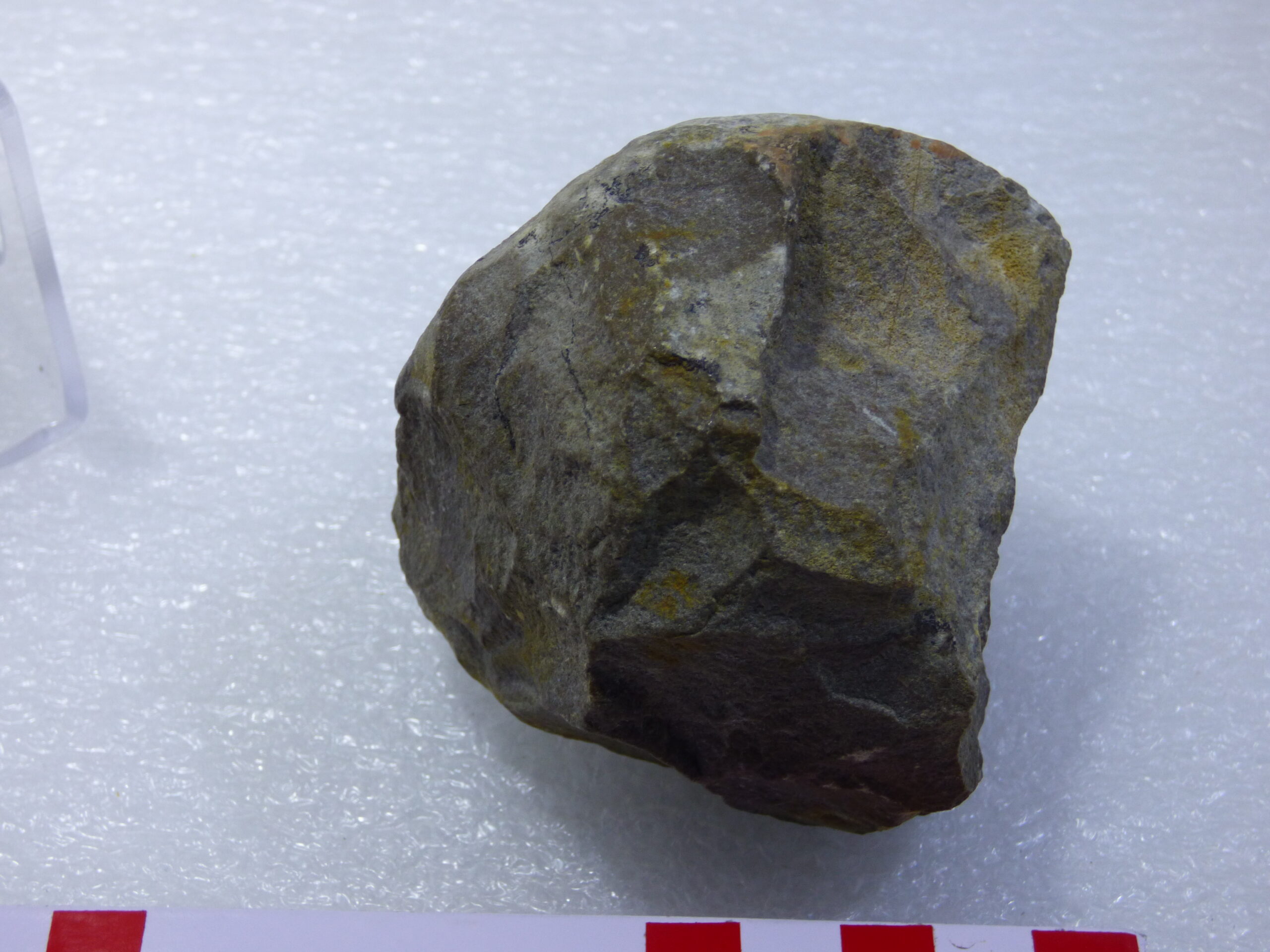
The instinct of prehistoric man was to survive by securing his food and his living environment, which led him to use many stone tools that developed according to his needs and uses.
Signs of the lithic industry, where stone pebbles were used, appeared as a first step, as is the case for the site of Ain El-Hanash (Sétif).
Later, many lithic industries followed, depending on the period and the development of production techniques through the methods of reduction and debitage of natural stones until the formation of the tool.
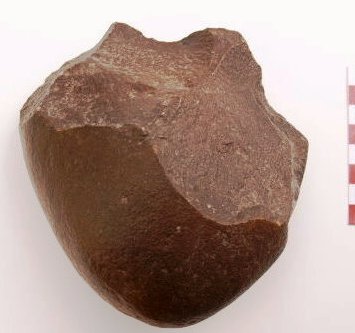
Description: Tools and weapons are created by shaping stones or rocks from their natural state by removing parts from the initial core. The form and technique of this reduction determine the type of tool obtained.
Material: basalt, granite, quartz, and flint.
Tools:
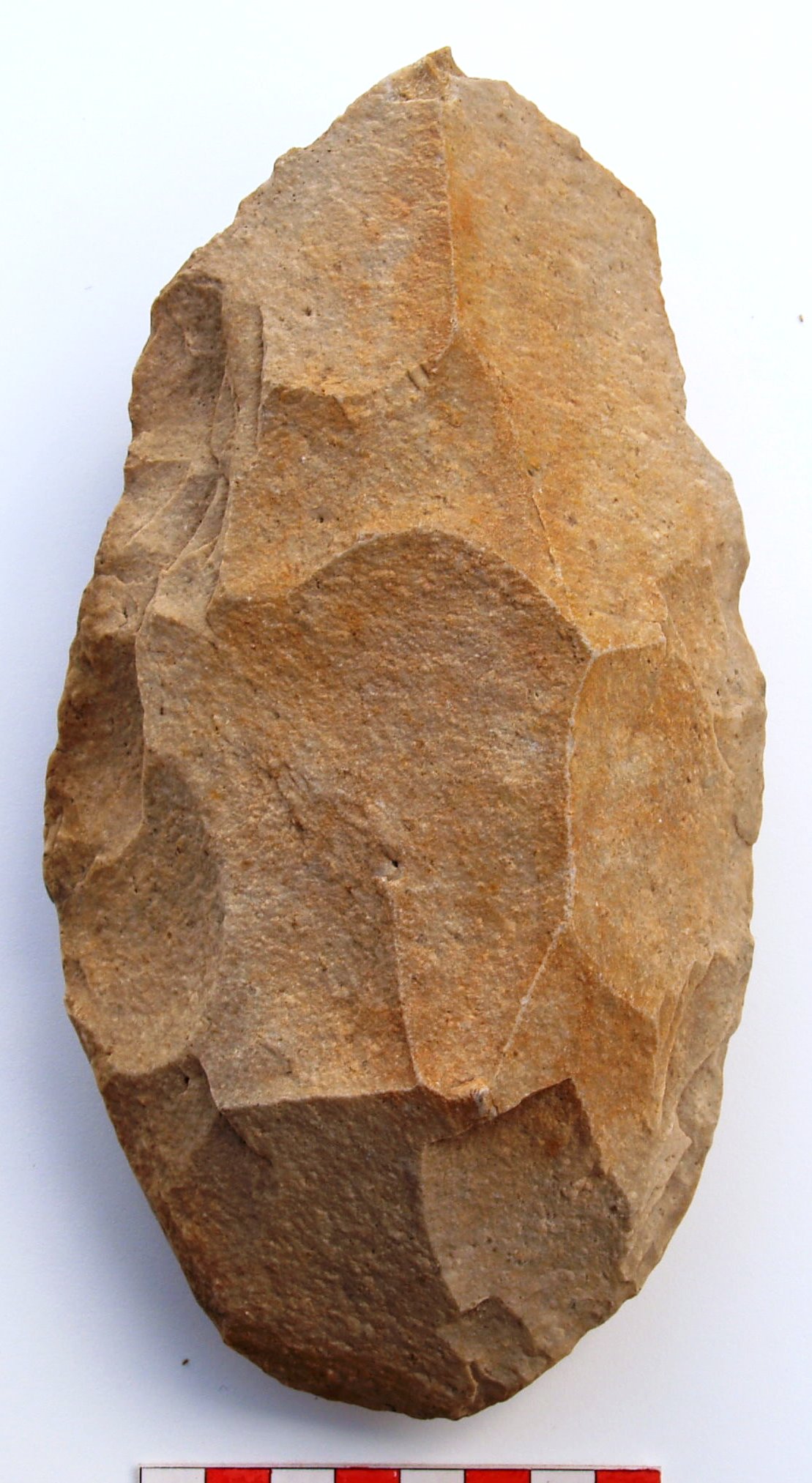
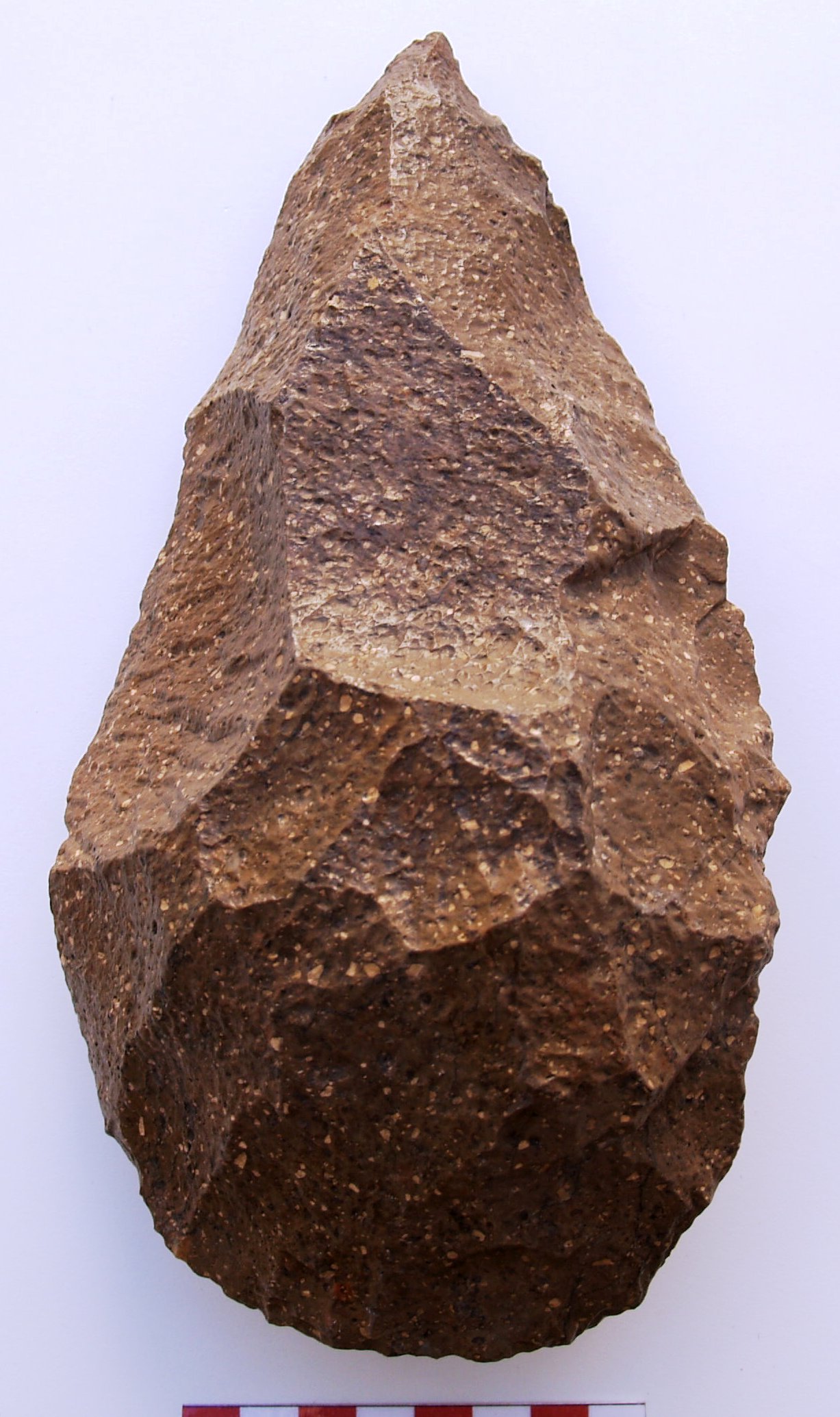
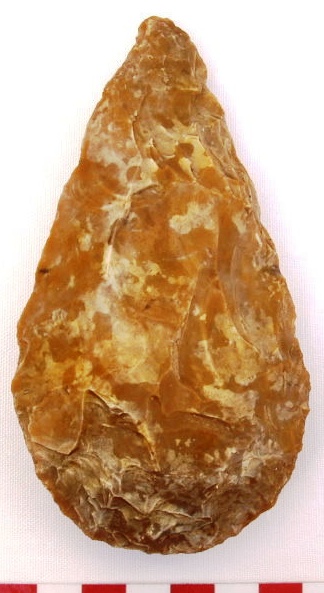
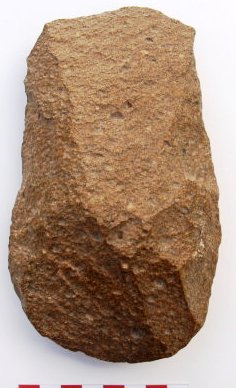
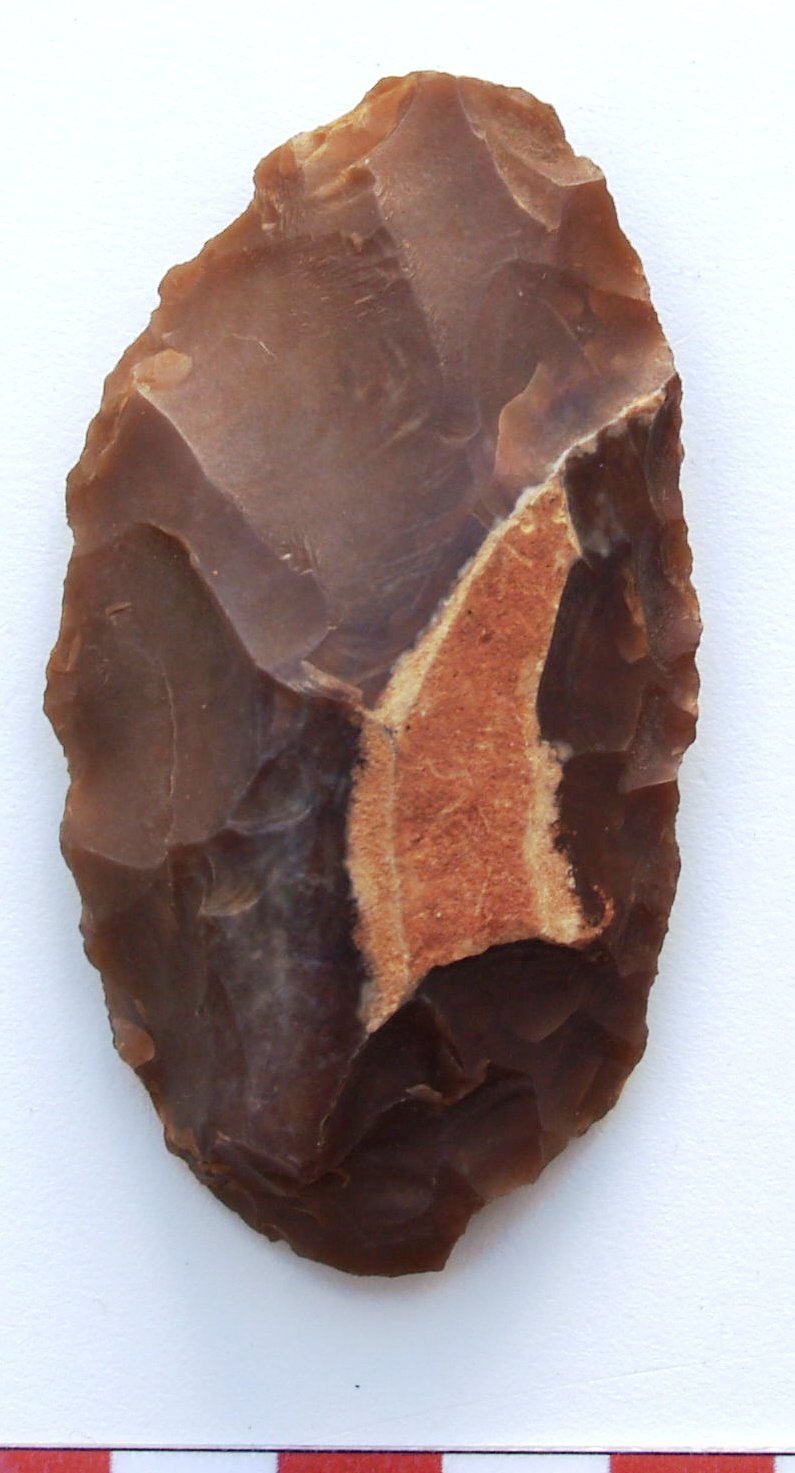
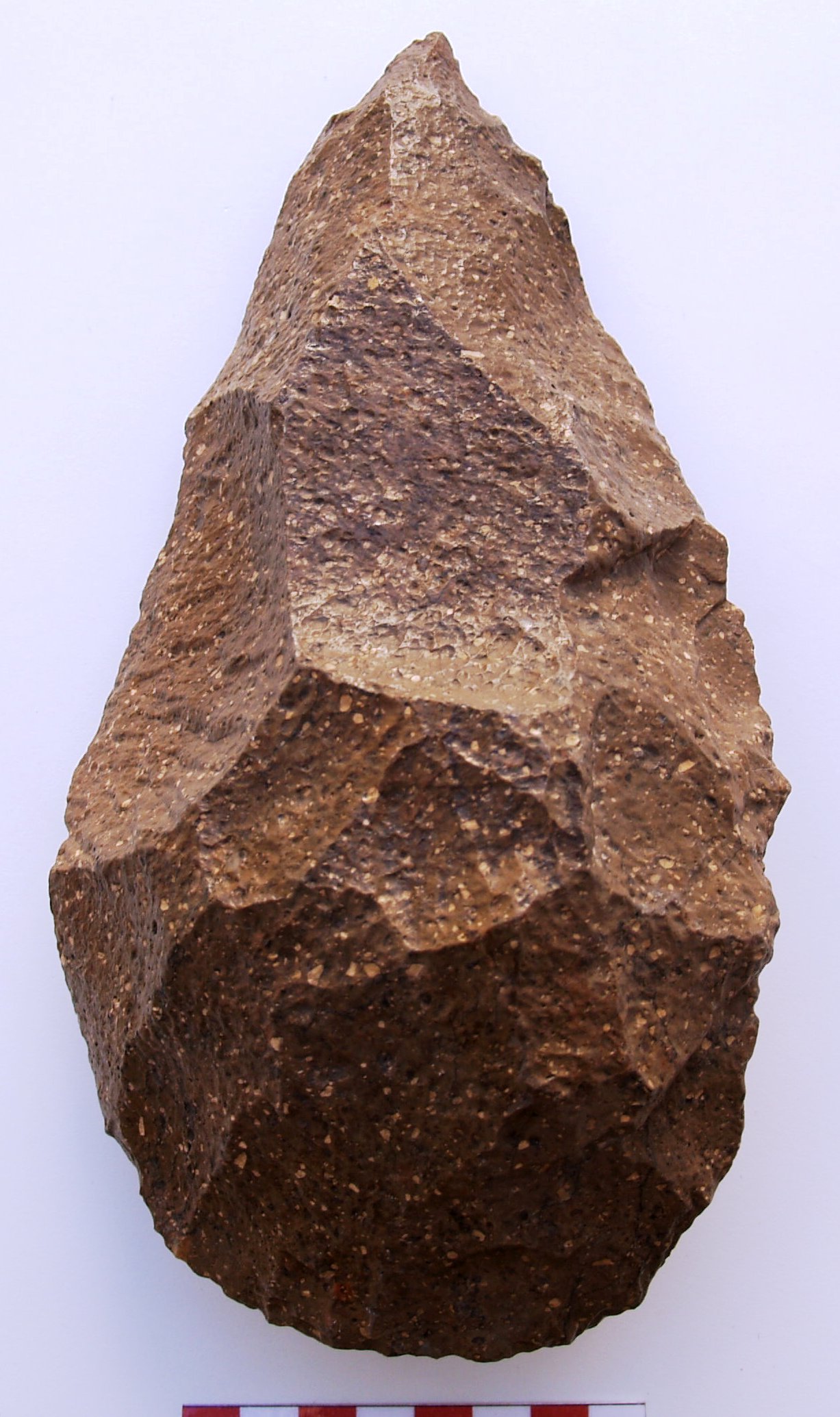
Handaxe: bifacial and almond-shaped tool, hand axes have a pointed end and rounded base.
Three-sided flint tool: some parts were removed from the core in order to create a sharp edge
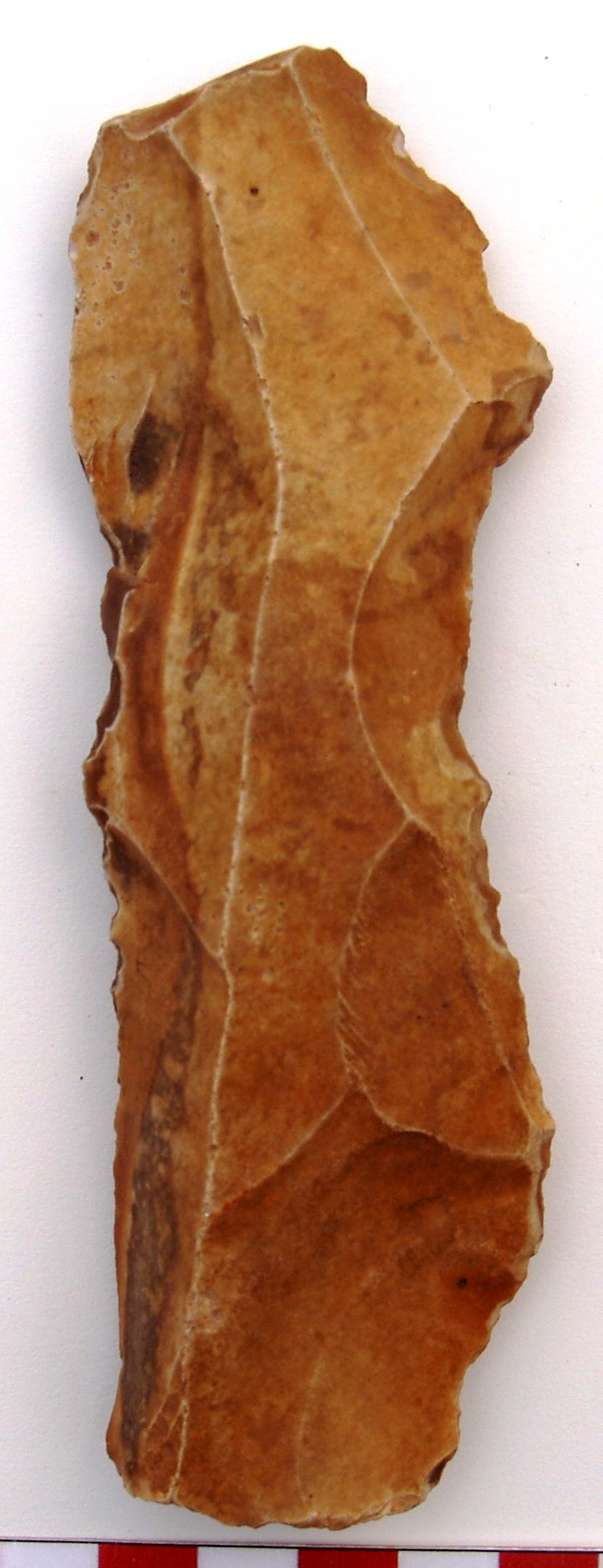
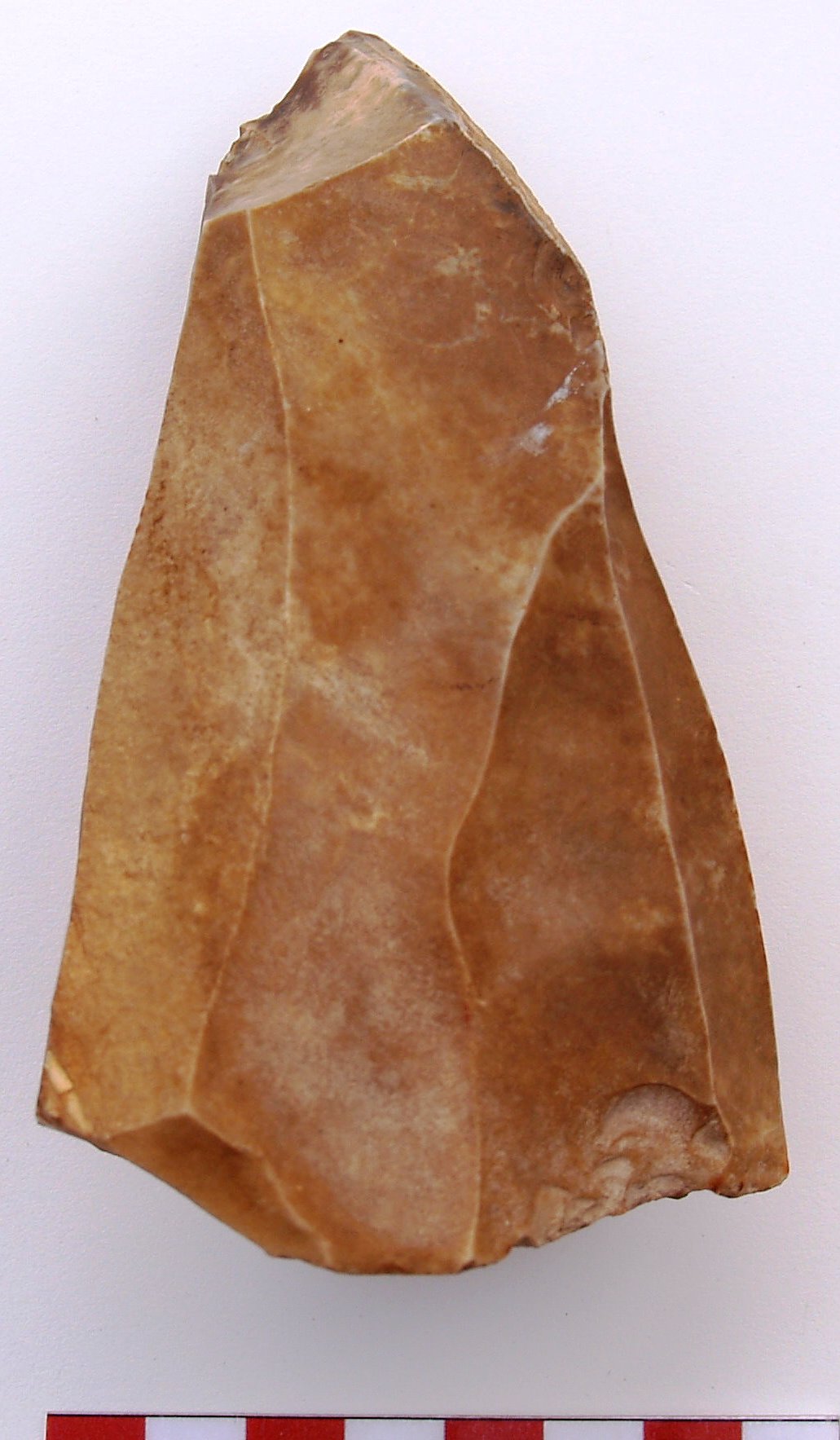
Blades: Long, thin pieces whose length exceeds twice the width.
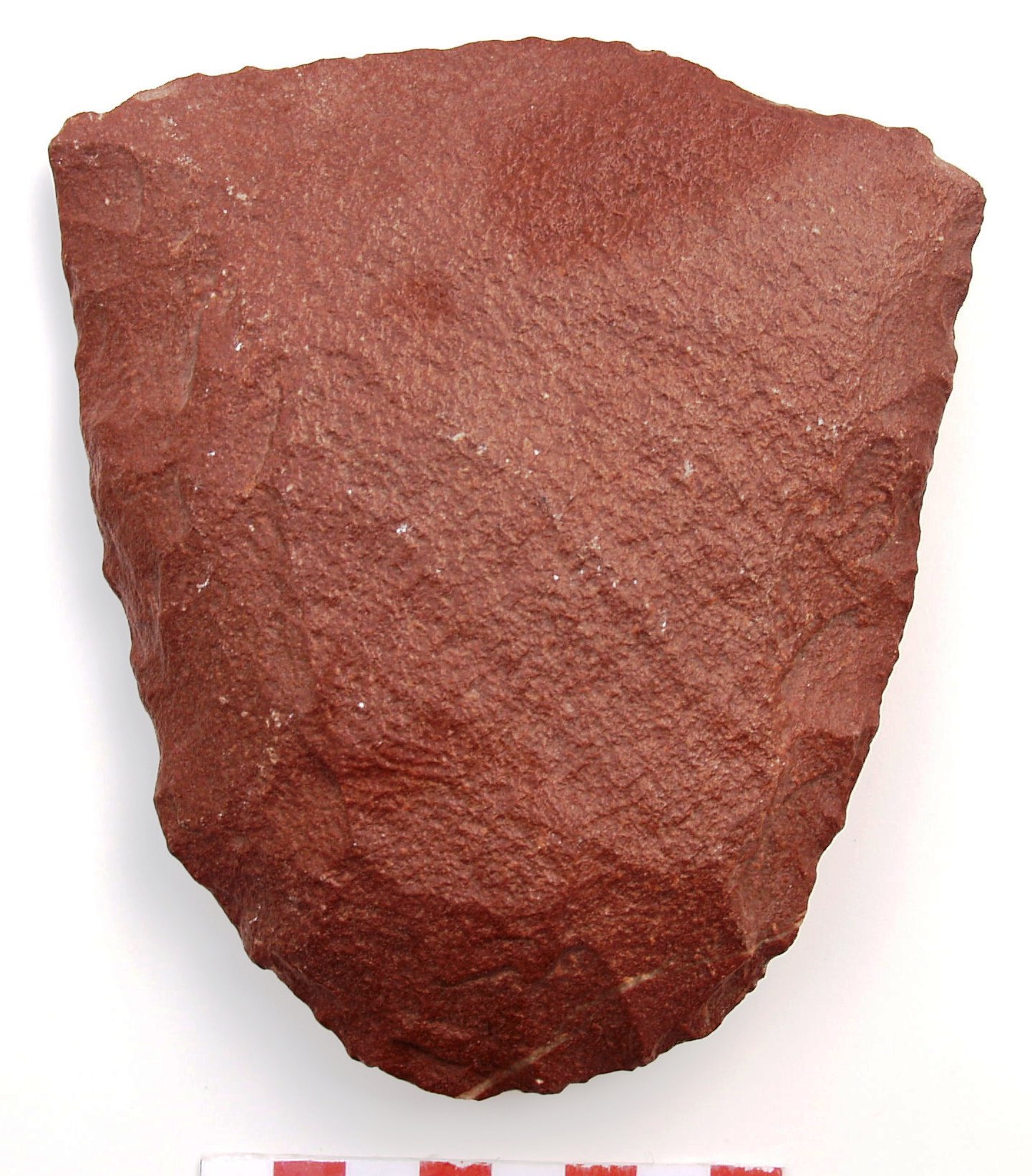
Cleaver: Its upper part is finely trimmed to make a cutting edge.
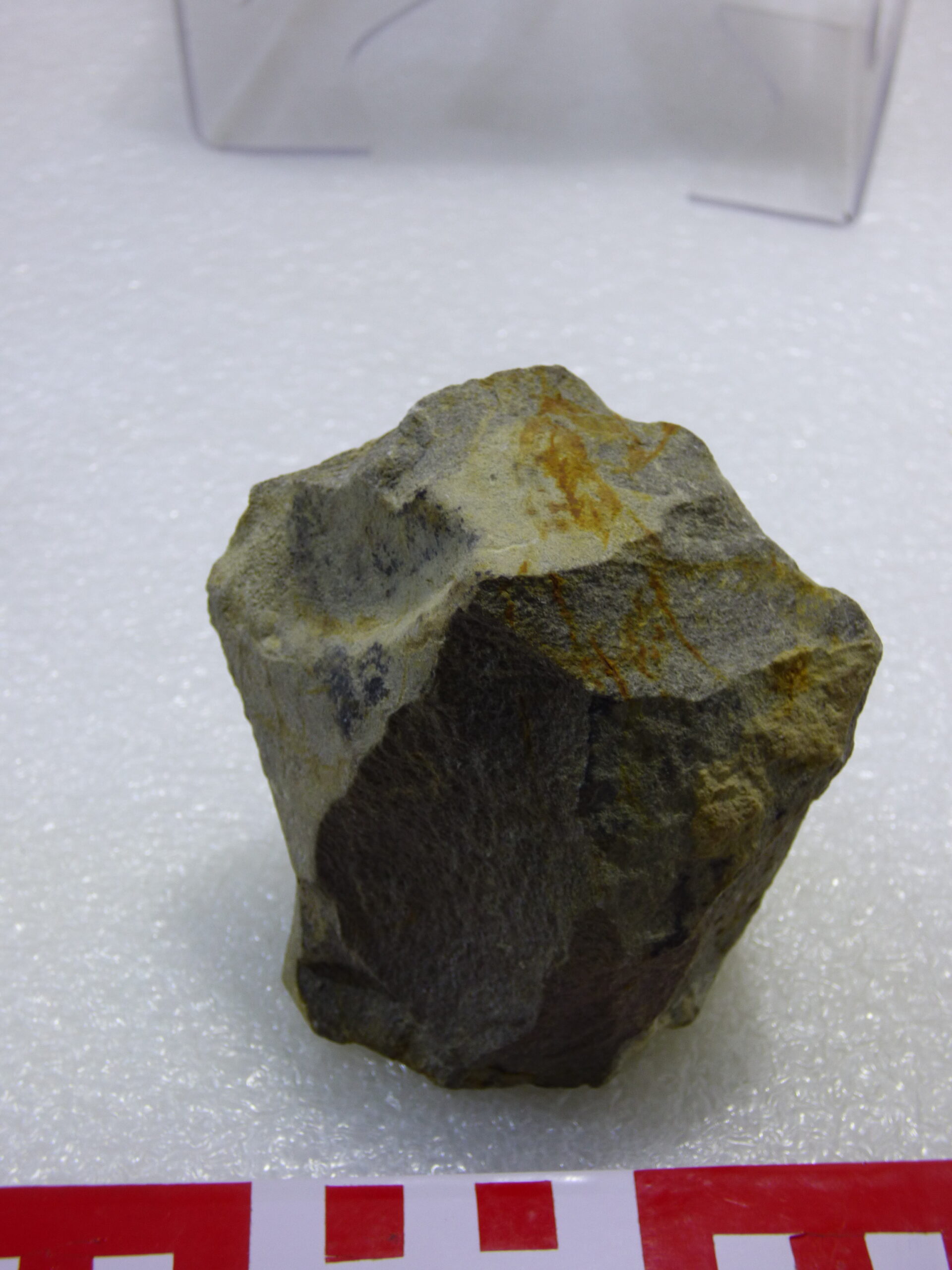
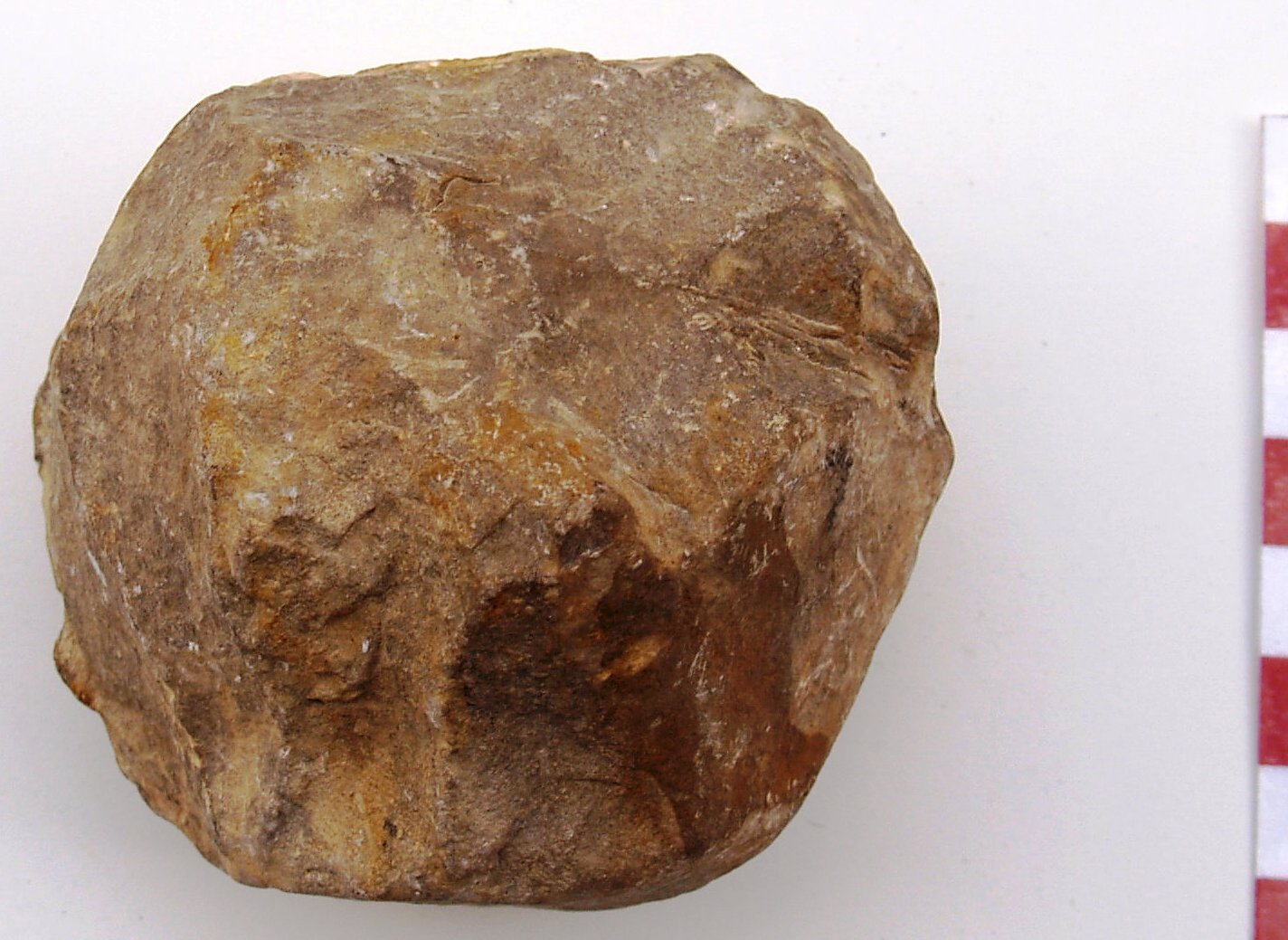
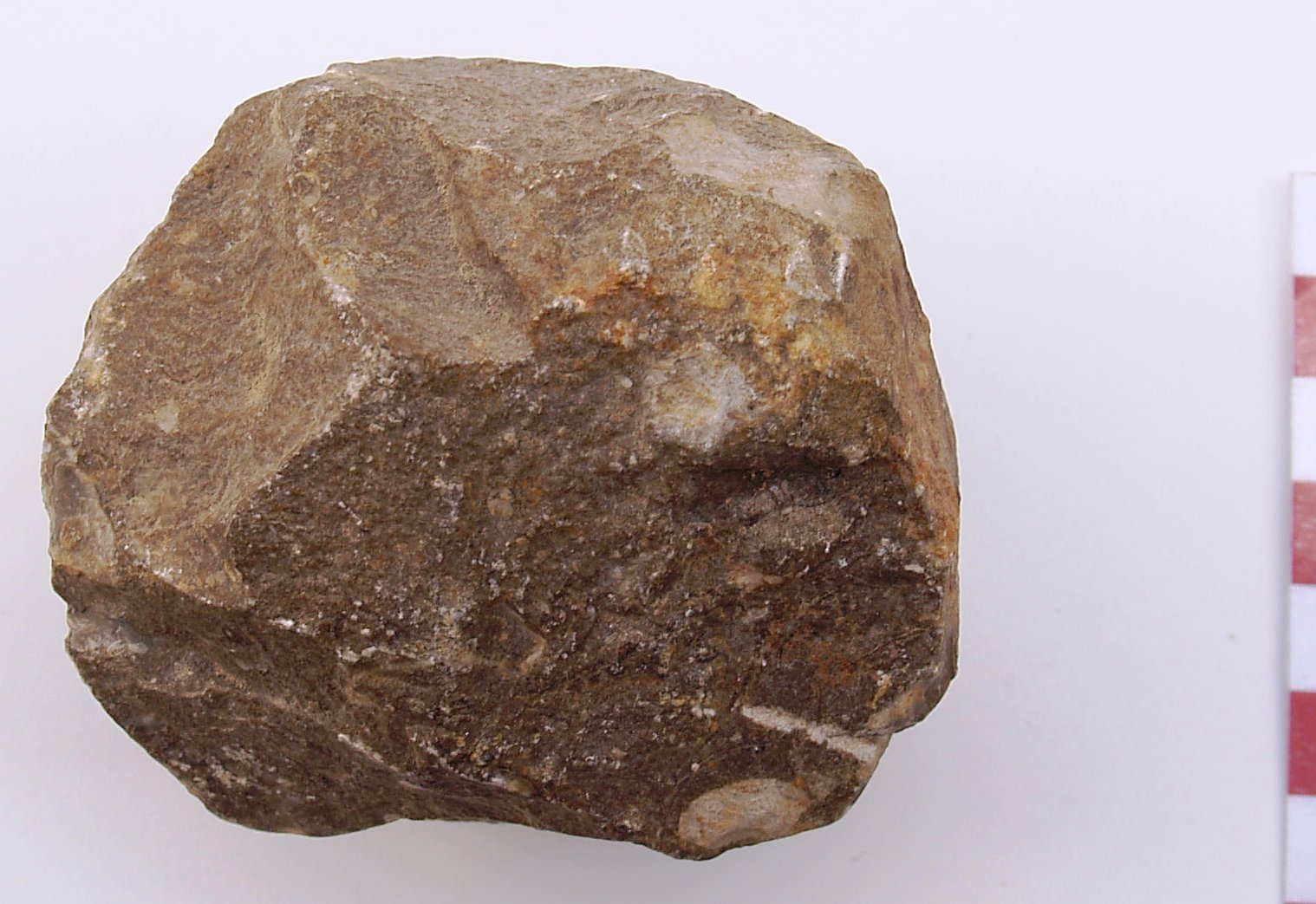
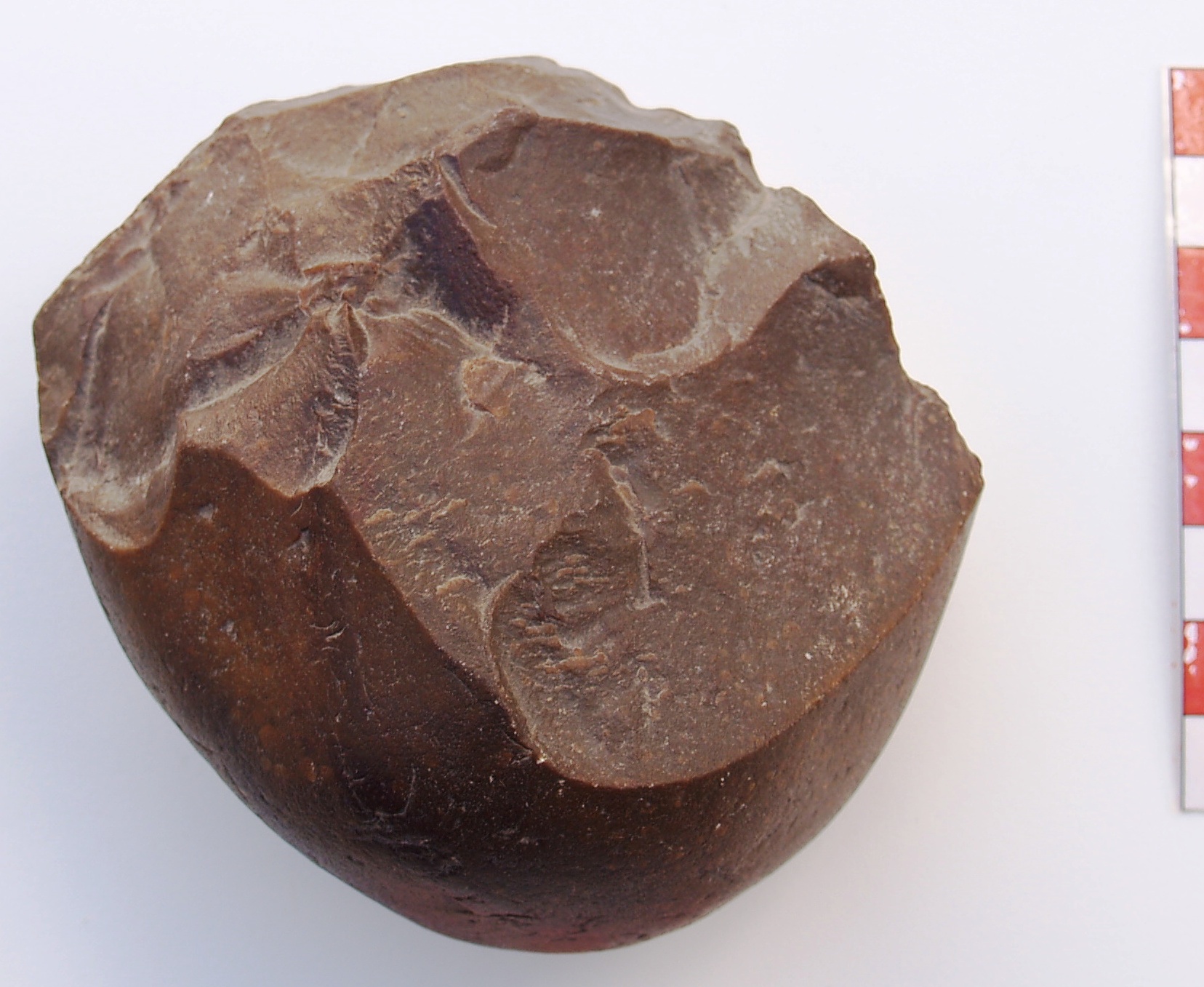
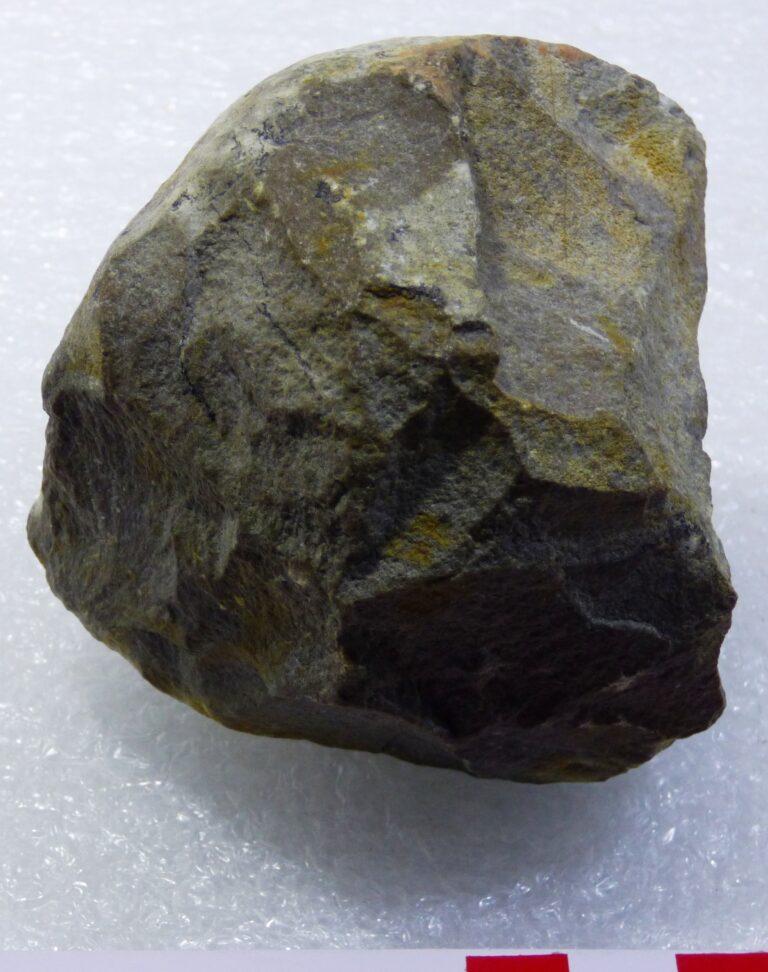
Shaped: stone balls with multiple faces.
Scraper: Flat piece of stone with a long, slightly curved edge.
Grinding Stones: made by carving a stone in a circular shape, contains an indentation.
Hammerstone: achieved by carving a stone into a circular shape, a hole is drilled through it, used to secure the head (the stone) with a handle.
Weapons:
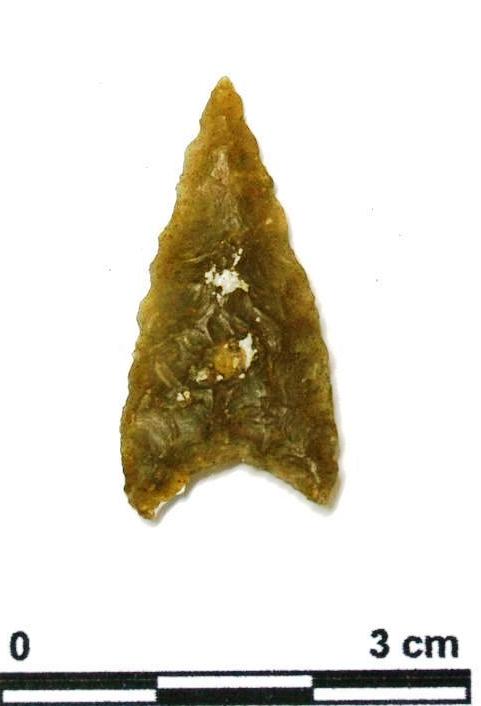
Arrowhead / Projectile Point: a flat piece with a pointed head. contains protrusions that could be used to tie it in place to a shaft.