Coins - Islamic Coins

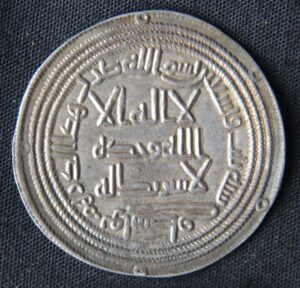
Umayyad coins 132/42 AH 750/661 AD

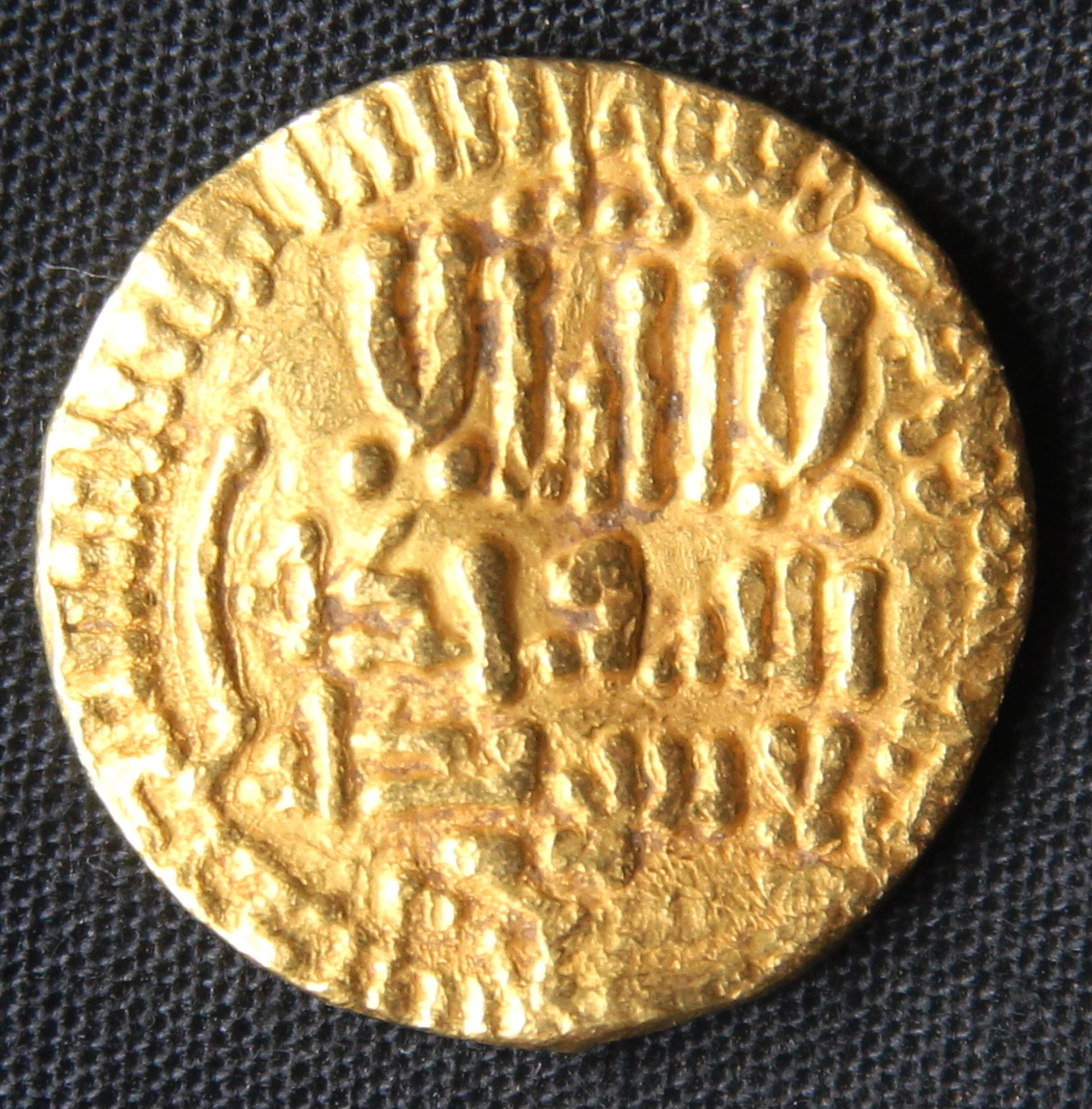
Coins of the ancient world and reminted Byzantine coins were used at the beginnings of Islamic currency.

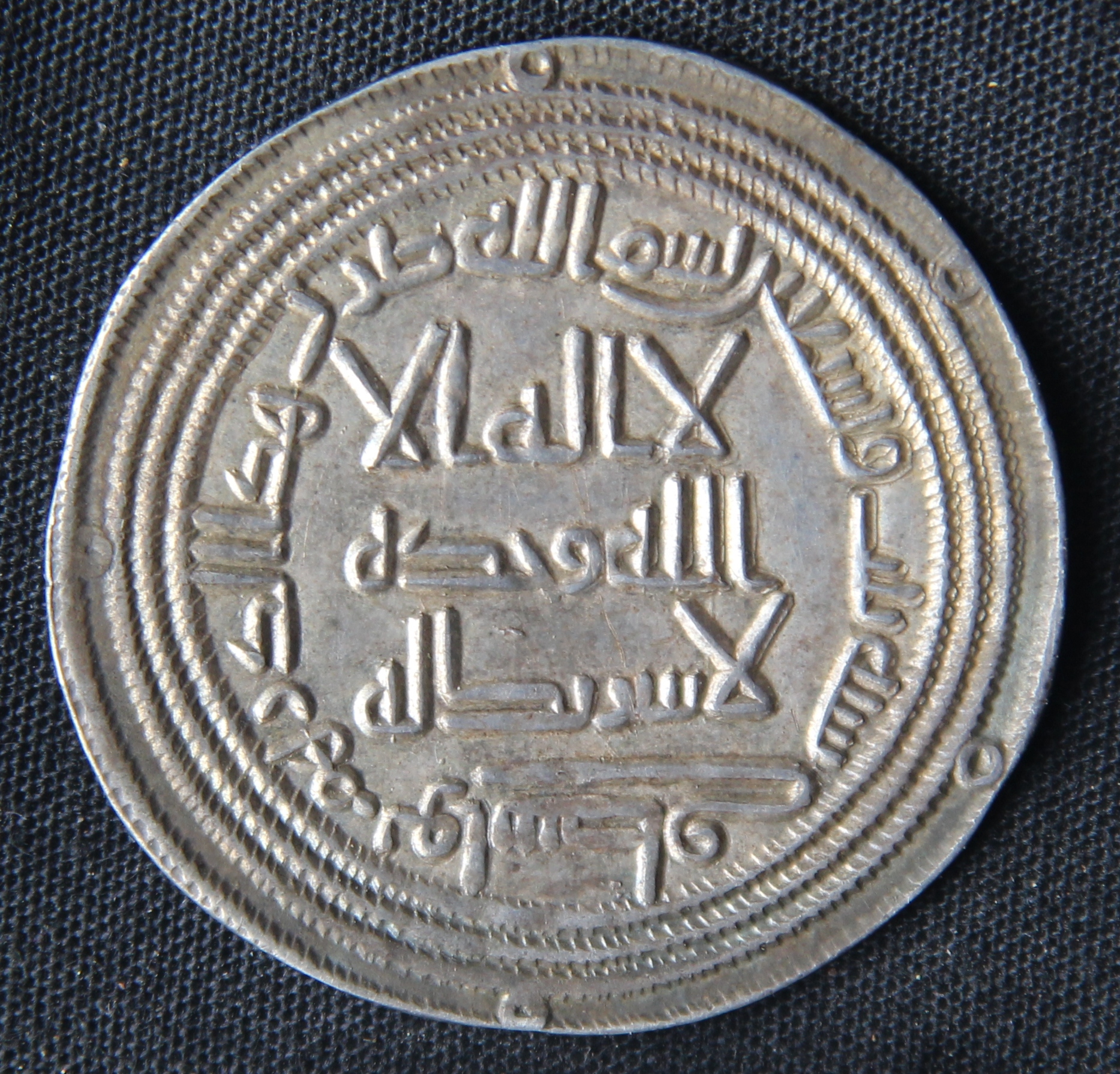
This was followed by a period of adjusting the weights of the silver and replacing the Latin and Christian inscriptions and symbols. Islamic expressions were also added. These additions reinforced the credibility and legitimacy of the Islamic currency.

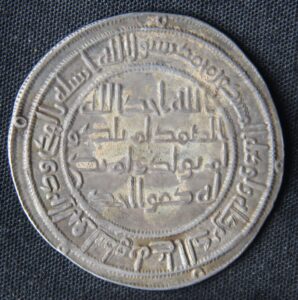
Shape: irregular circular shape. The bronze pieces show signs of abrasion.

Material: brass, bronze.

Inscriptions and writing: Coins bear inscriptions and writing in Arabic on both sides; they are Islamic inscriptions of “Tawhid” in addition to the presence of symbols and forms.

Ornaments: plane or containing forms that can be related to the minting workshop.

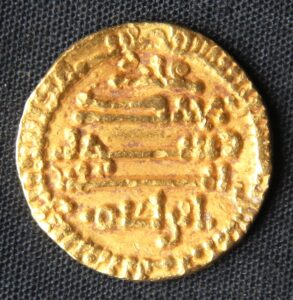
Abbasid Coins 132 / 656 AH 750 / 1258 AD

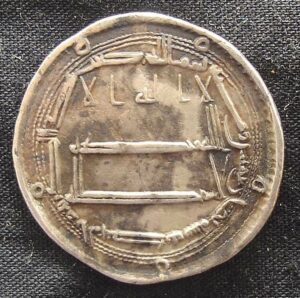
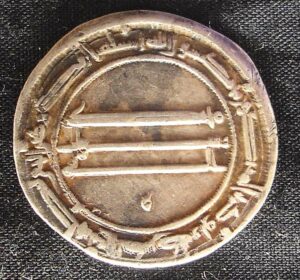
The Abbasid dynasty dates back to the oath of allegiance to Abu al-Abbas Abdullah bin Muhammad bin Ali bin Abdullah al-Abbas, in 132 AH / 750 AD. This dynasty lasted for more than five centuries.

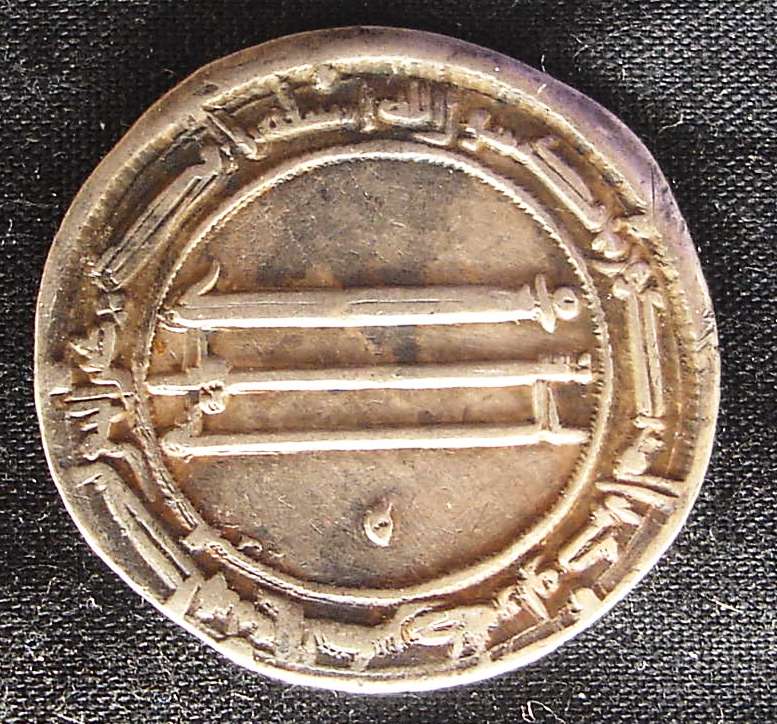
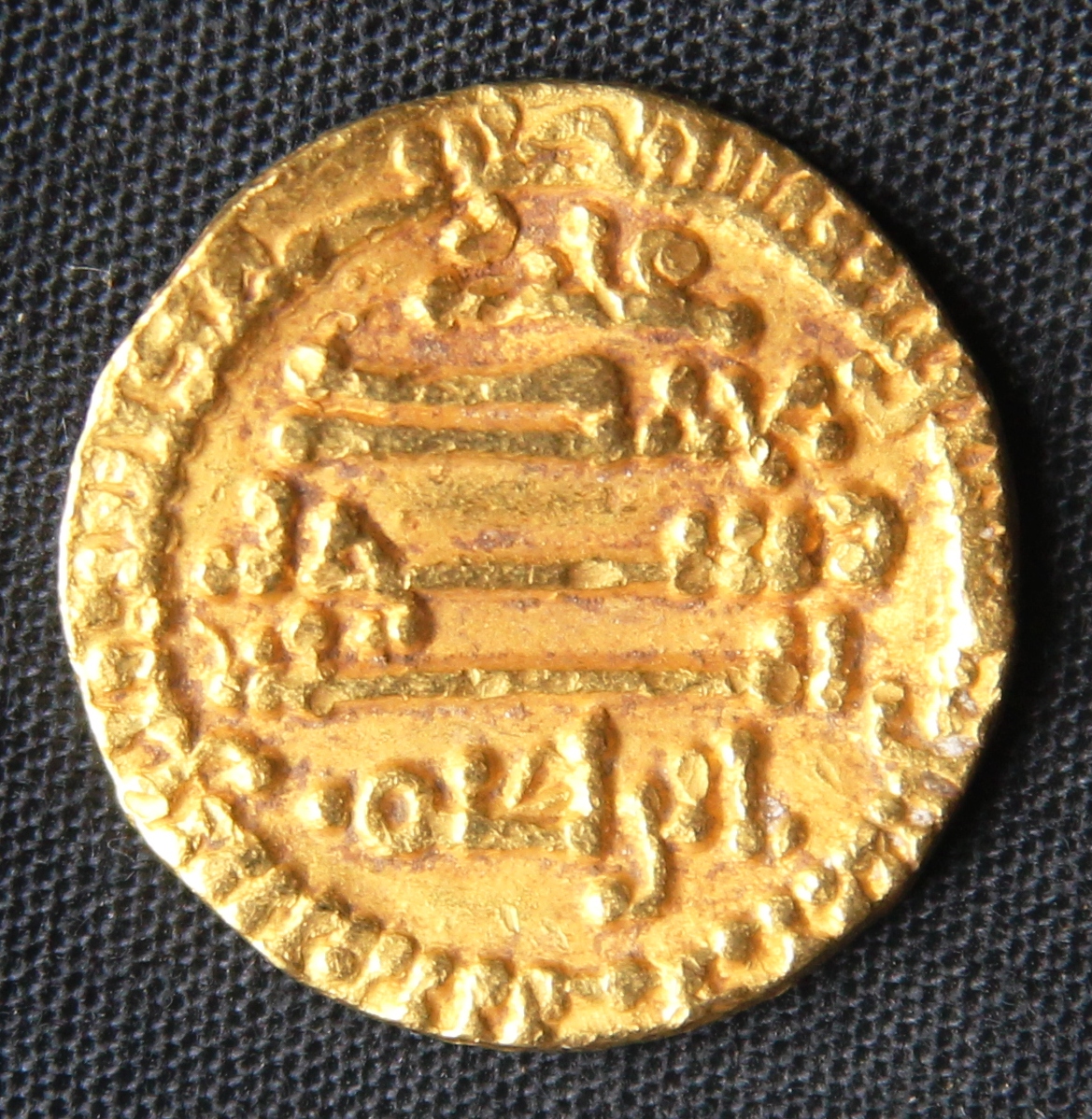
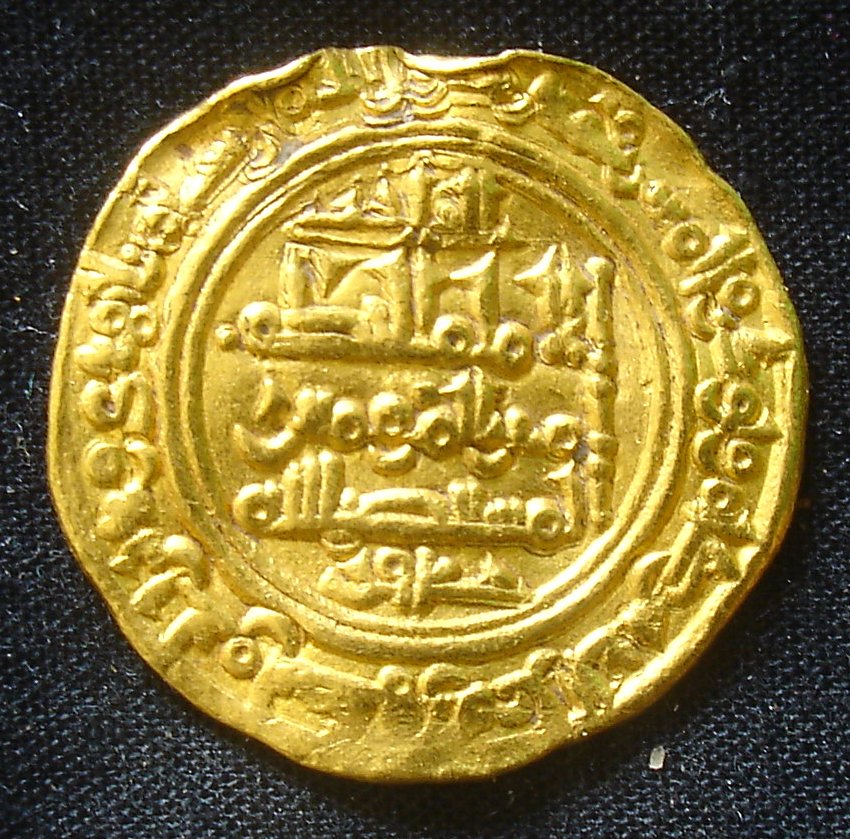
Shape: The Abbasid coin is similar to the Umayyad coin, with its circular shape.

Inscriptions and writings: It contains inscriptions in Arabic in Kufic writing on the two faces. We find the “shahada” “لا إله إلا الله وحده لا شريك له” in the center of the coin and a Quranic verse around its perimeter, while on the backside of the coin we find the phrase “محمـد رسول الله” with inscriptions around the back: Kalifa’s name, place and year of minting.

Ornaments: plane.

Materials: the dirham is silver, the dinar is gold.

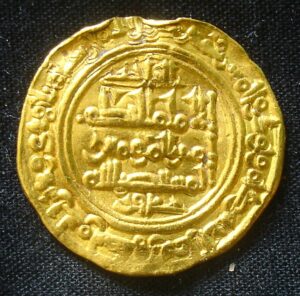
Umayyad coins in Andalusia 138/422 AH 756/1031 AD

After the fall of the Umayyad Caliphate in 132 AH / 750 AD and the Abbasids persecuting the whole family, some of them fled to Andalusia where the Umayyad dynasty was established in the year 138 AH / 756 AD, with Abd al-Rahman ibn Muawiyah as the caliphate. He proceeded to mint money particularly dirhams and flous. After the split of Morocco, and the declaration of the Shiites of their caliphate in Morocco, the Umayyads were encouraged to declare their caliphate in Andalusia, which made them mint the dinar and the dirham in the year 316 AH / 929 AD.

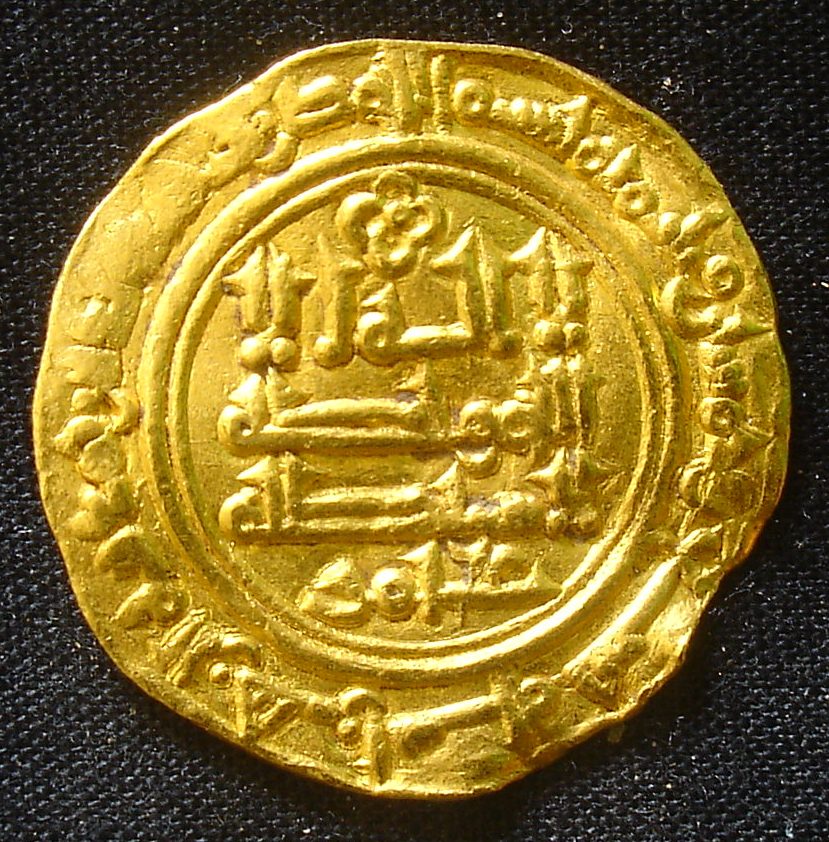
Shape: The Umayyad coin in Andalusia is similar to the Abbasid coin in its circular shape.

Inscriptions and writing: It contains a writing in Arabic language in kufic writing on both sides in the middle of a circle and a second writing in the form of a ribbon in the circumference of the middle circle and the circle of the circumference of the coin.

Ornaments : without decoration.

Materials : silver dirhams, gold dinars

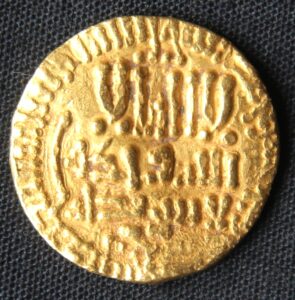
Aghlabid coins in Africa 184 / 296 AH 909 / 801

The Aghlabid dynasty emerged after the nomination of Ibrahim bin al-Aghlab by Harun al-Rashid, after he had succeeded in repelling the rebellion against the Abbasid caliphate. This dynasty was independent of Abbasid rule, but retained its loyalty to Abbasids.

Shape: Aghlabid coins are similar to Abbasid coins in terms of shape and type. They used the word “غلب” as a political slogan that was added to the coins, while preserving the names of the rulers and those who minted the coin without mentioning the minting city.

Inscriptions and writing : It contains Arabic writing in kufic writing on both sides in the middle of a circle and a second writing on the circumference of the coin.

Ornaments : plane.

Materials : Silver Dirhams, Gold Dinars

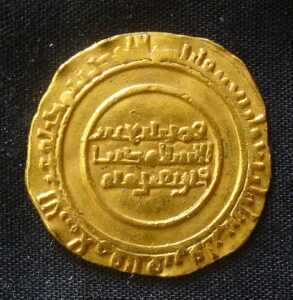
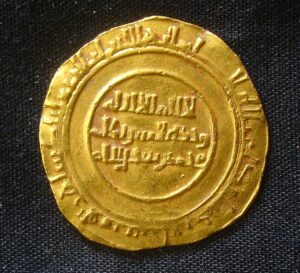
Fatimid Coins 297 / 567 AH / 1171 / 910 AD

The name of the Fatimid dynasty refers to Fatima al-Zahra, the daughter of the Prophet Muhammad.

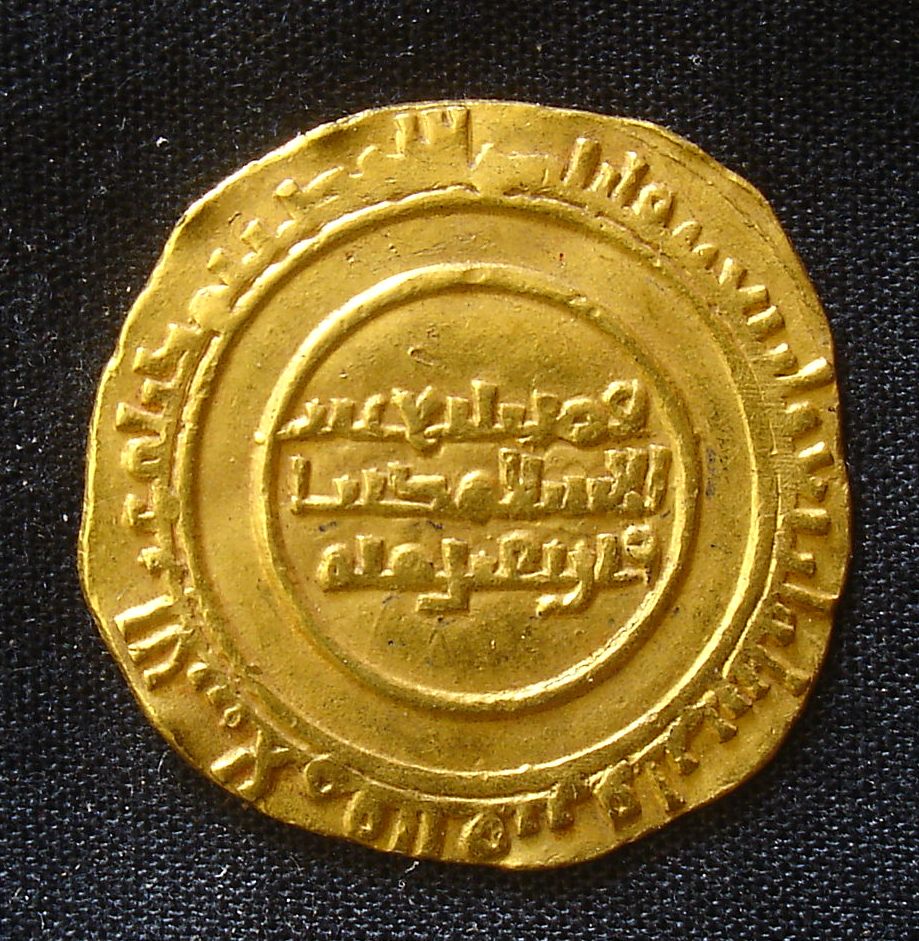
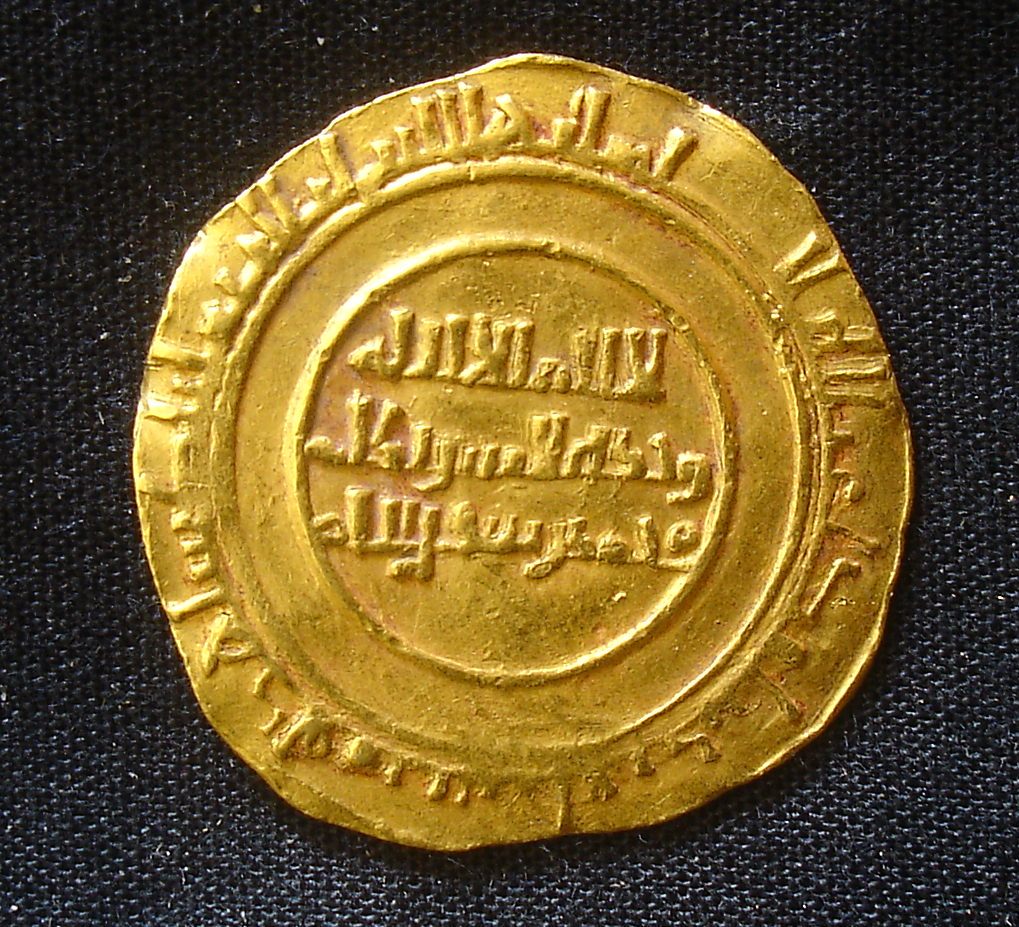
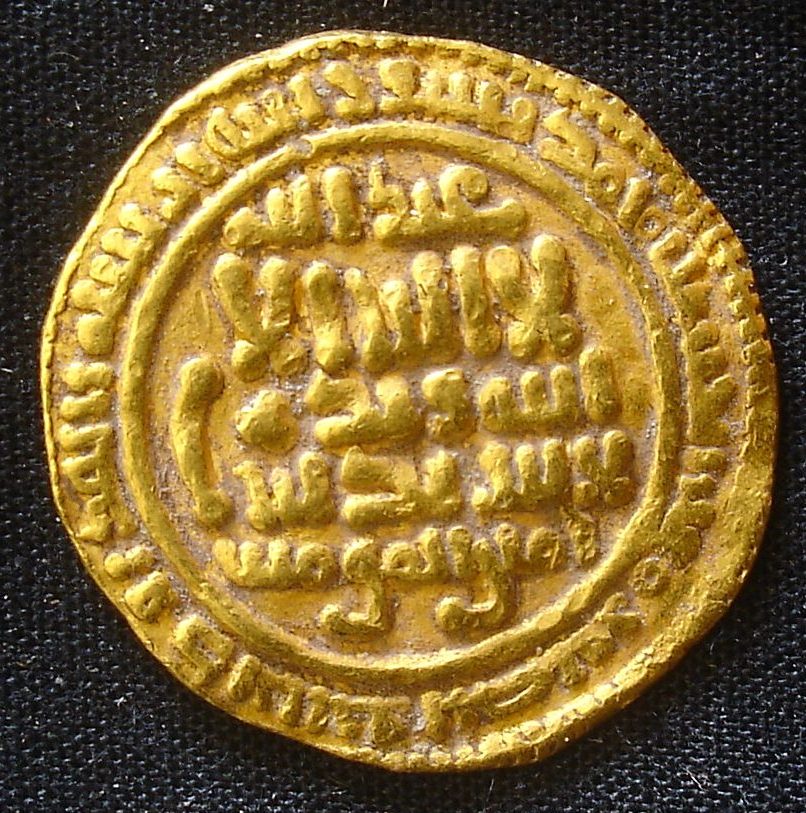
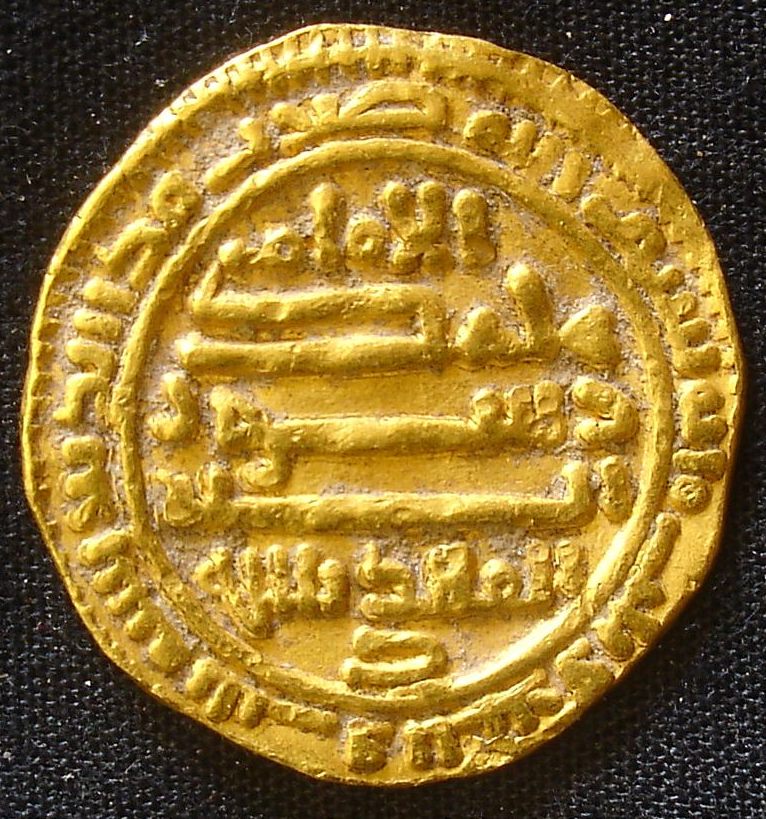
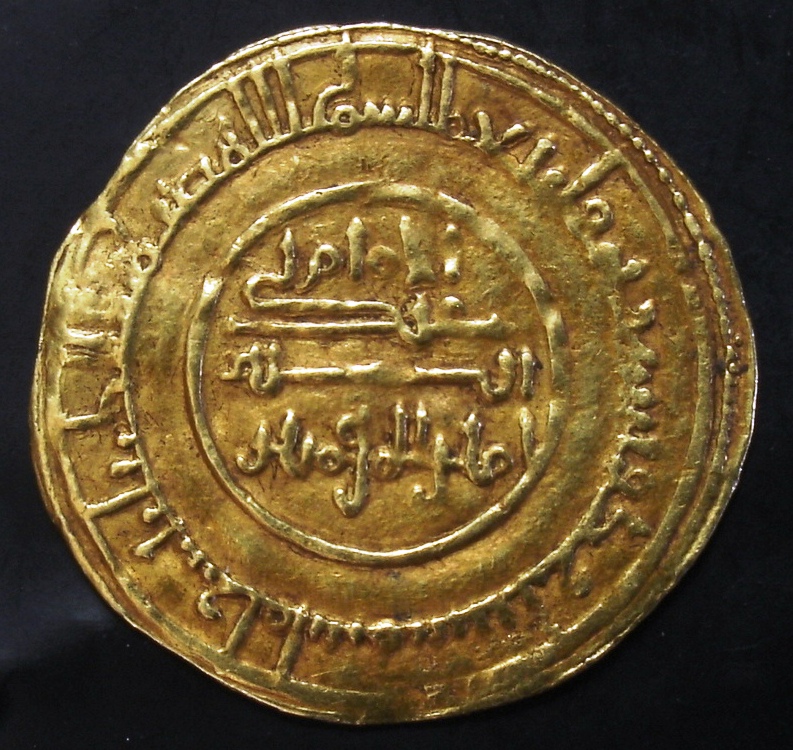
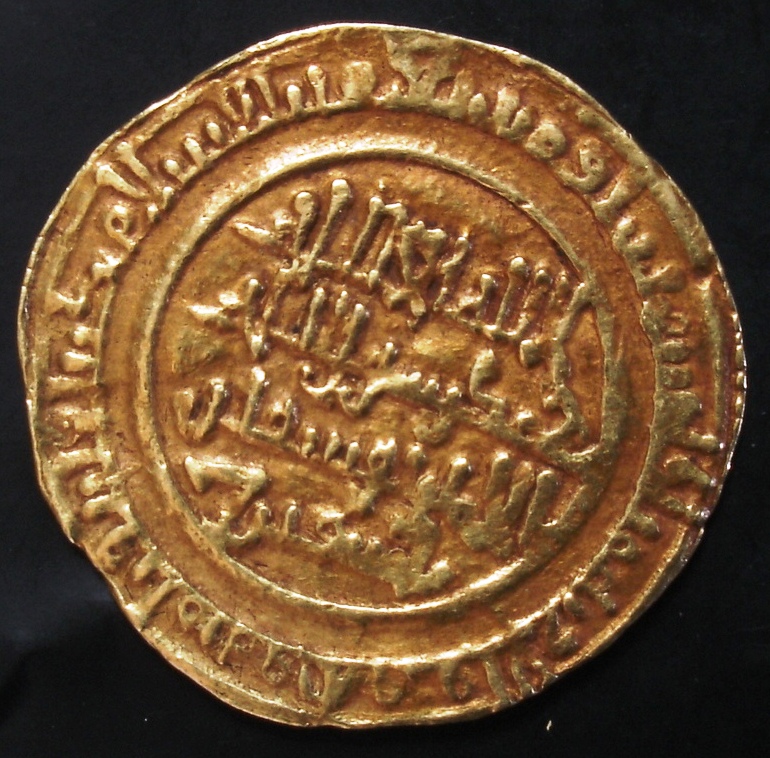
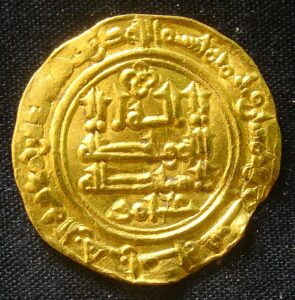
The dynasty was born after the overthrow of the Aghlabids in the year 296 AH at the hands of Abdullah al-Mahdi. The Fatimid caliphate minted coins in the same Abbasid and Aghlabid style, in terms of shape and size without mentioning the name of the ruler, but it carries Shiite phrases that express the Shiite orientation of the dynasty. Among the phrases are “الحمد لله رب العالمين”, and Abdullah was surnamed “Abdullah al-Mahdi”, “the Imam”, “the Commander of the faithful – أمير المؤمنين ».

The Fatimid coins also underwent an evolution in terms of form, the writing appearing in circles with the addition of the month in the date of minting, while they maintained the same weight and size. The Shiite expressions became clear in the new coins, which were minted in several cities: Sijilmasa, Fez, Mansourah, Mahdia, Sicily, Cairo, Tripoli, and Yemen.

Shape: At the beginning, the coin was similar to the Abbasid coins, then it underwent an evolution in its shape.

Inscriptions and writing: It contains a Kufic writing on both sides and is free of decoration.

Materials: the dirham is made of silver, the dinar is made of gold.

Zirid coins 362 / 543 AH 1148/973 AD

When the Fatimid caliphate shifted from the Maghreb to Egypt in 362 AH, the Zirid caliphate took control of Morocco as representatives of the Fatimid caliphate with a kind of administrative and political dependence by preserving the names of the Fatimid caliphs of Egypt on the coins.

Their currencies resembled the Fatimid mints in terms of form and content. They were not independent, but rather identical in terms of Shiite religious slogans until the year 406, during the reign of Prince Al-Muizz bin Badis, his currency was characterized by the use of Sunni religious slogans to provoke a break and mark the end of the Fatimid presence in Africa. The coins bear Quranic verses.

Shape: In the beginning, Zirid coins were similar to the Fatimid coins in terms of form and content.

Materials: the dirham is silver, the dinar is gold.

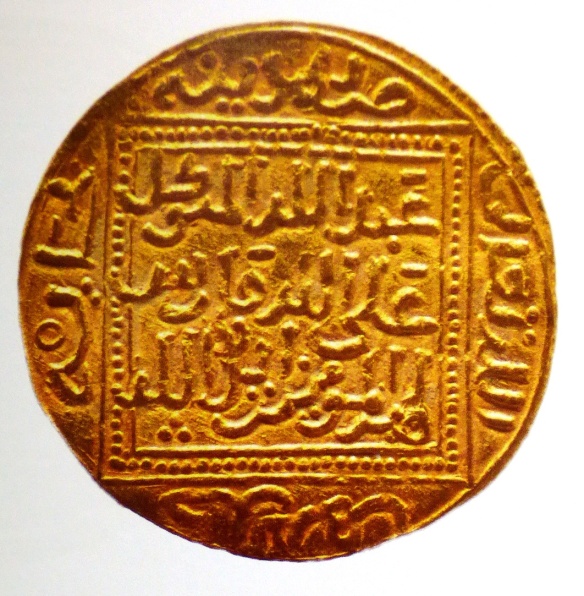
Almoravid coins 448 / 541 AH 1148/1056 AD

The Almoravids were originally local Berber tribes whose influence extended across the Maghreb and Andalusia and the Sahara in the south. They adhered to Sunni principles and their loyalty was to the Abbasid caliphate and not to the caliph. They referred in their money to the caliph “الإمام عبد الله أمير المؤمنين” without mentioning his name.

The Almoravid currency was minted in Sijilmasa, Ceuta, Marrakech, Fez, Tlemcen, Cordoba, Seville, Granada and others.

Materials: gold, silver and bronze

Inscriptions and writings: Their political slogan is engraved on their coins, it is the verse “و من يبتغ غير الإسلام دينا فلن يقبل منه و هو في الآخرة من الخاسرين” and there are also the names of the rulers.

The dirhams bear the name of the reigning prince and the name of the minting city,  the most important are Ceuta, Tangier, Salé, Sijilmasa, Fez, Cordoba, Seville and Andalusia.

Dinar:

Material: gold / Weight: between 3.9 grams and 4.2 grams / Diameter: 25 mm

Half a dinar:

Material: Gold / Weight: 2.01 g / Diameter: 15 mm

Quarter of a dinar:

Material: Gold / Weight: 1.1 g / Diameter: 15 mm

Dirham :

Material: Silver / Weight: 1 g / Diameter: 11-10 mm

Half ½ dirham: Material: Silver / Weight: 0.5 g / Diameter: 7 mm

Quarter 1/4 dirham: Material: Silver / Weight: 0.2 grams / Diameter: 6 mm

1/8 dirham: Material: Silver / Weight: 0.08 grams / Diameter: 6 mm

Bronze coins are rare, weighing between 2.9 and 4.66 grams.

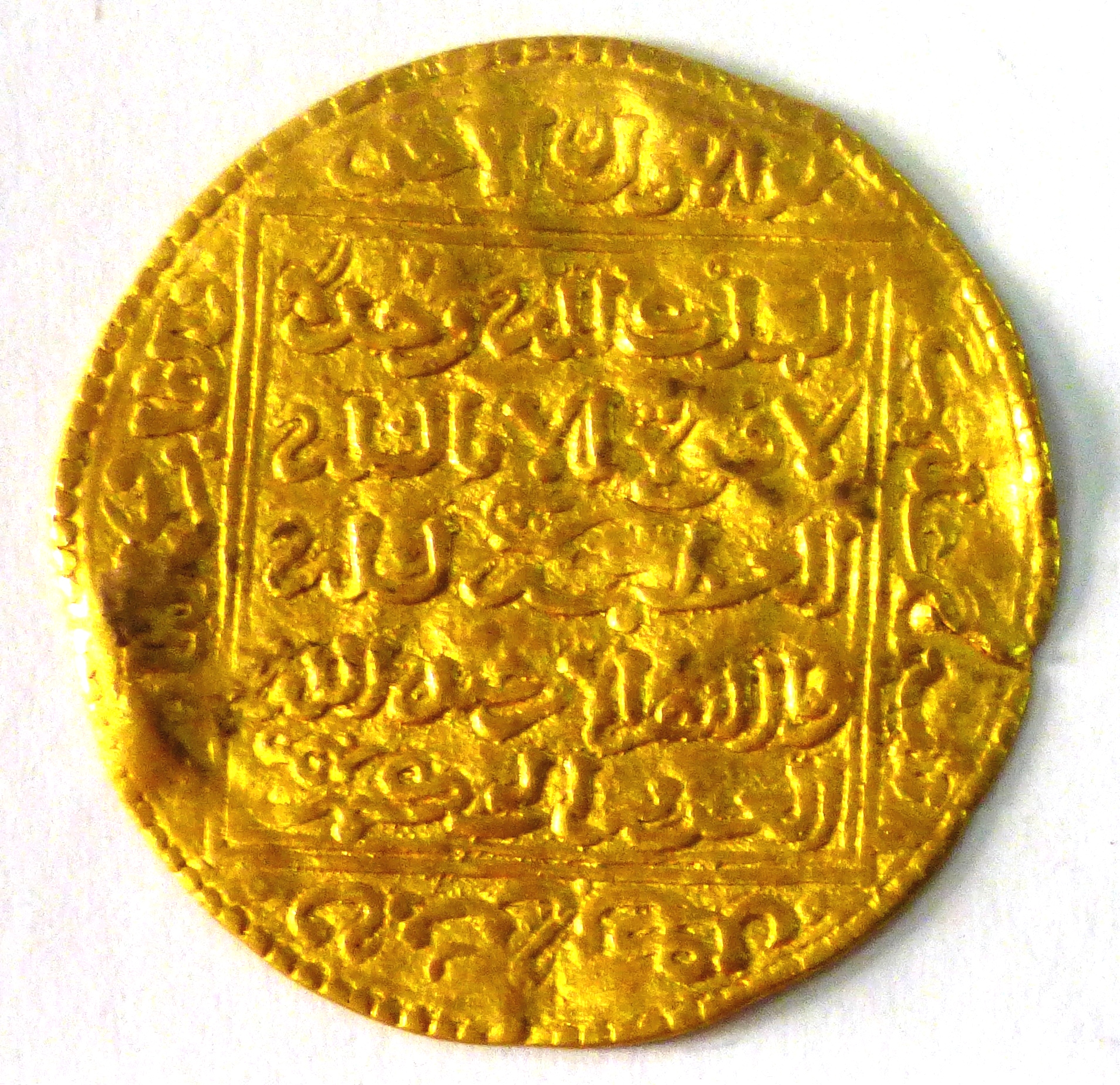
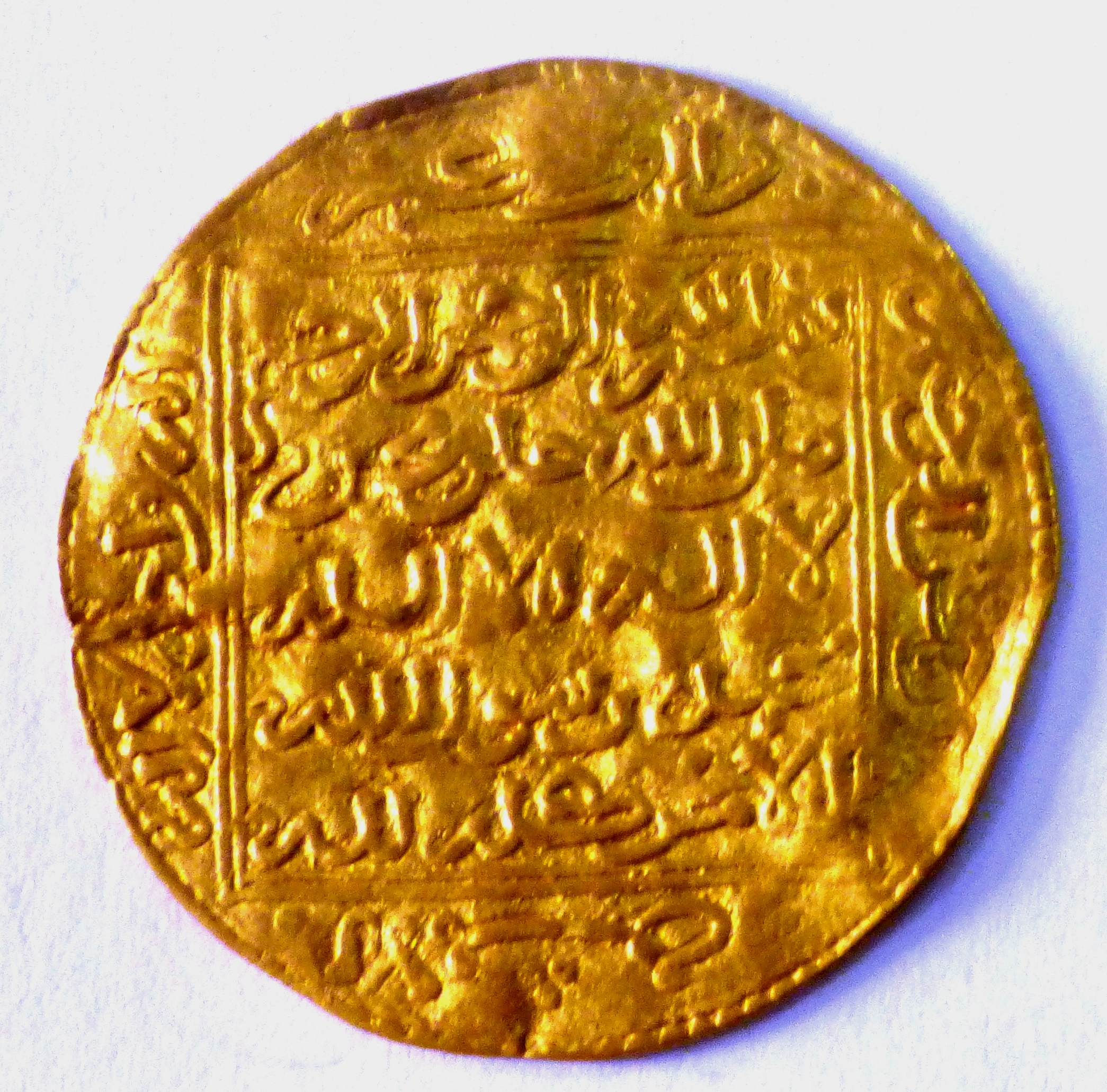
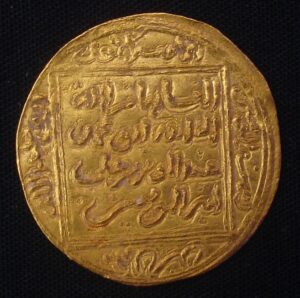
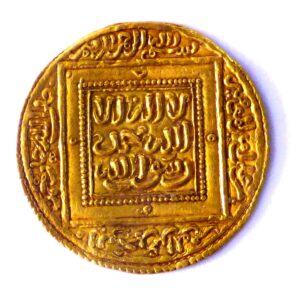
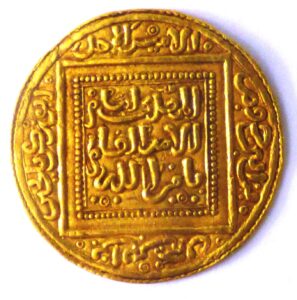
Almohad coins 524/668 AH / 1128/1269 AD

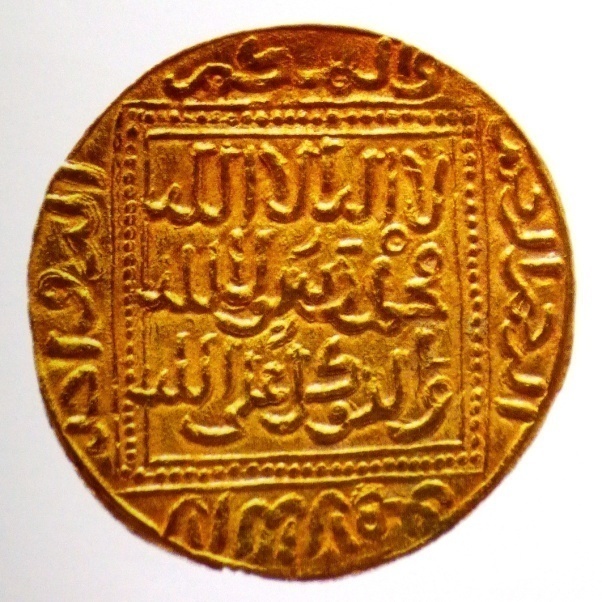
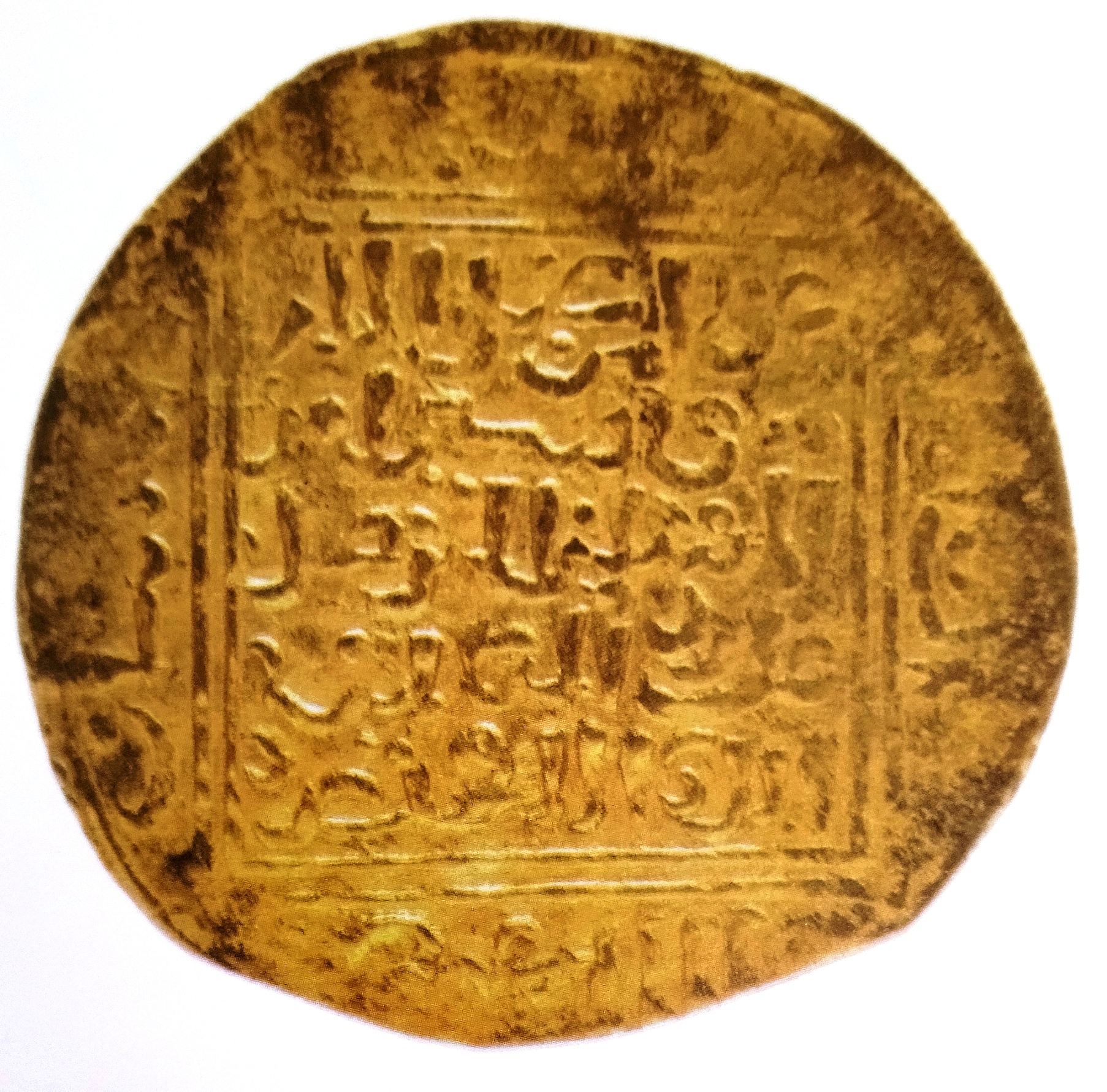
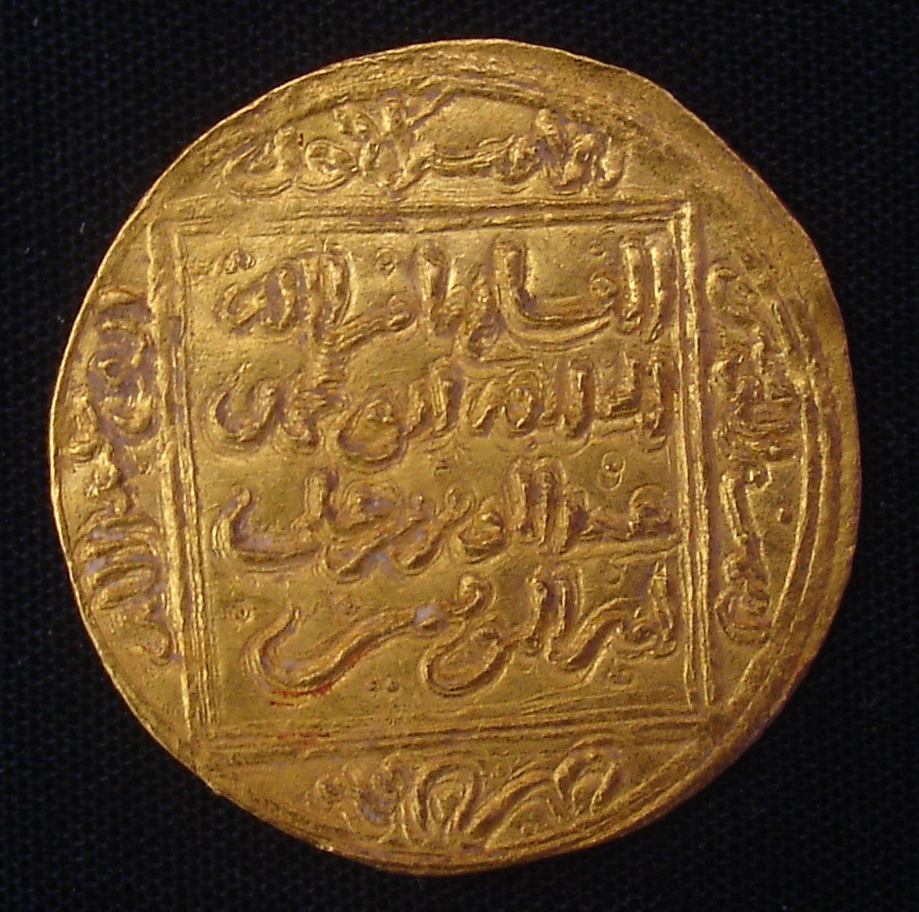
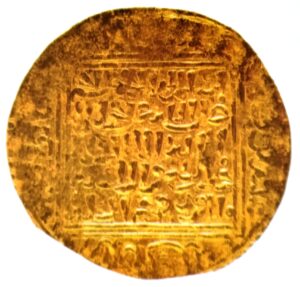
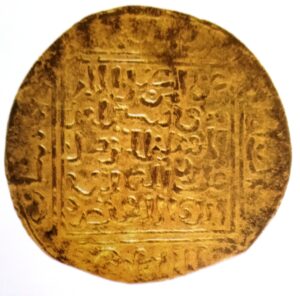
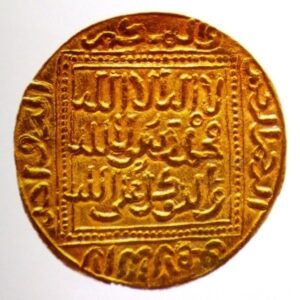
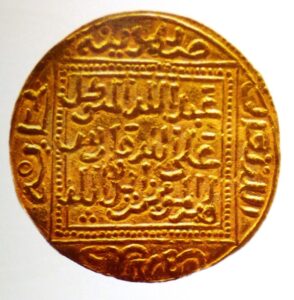
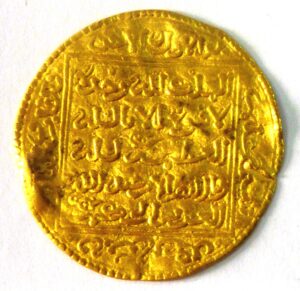
The Almohad dynasty had 13 rulers who minted gold and silver coins with a new design that differs from the usual form of Islamic money. The dirham was minted in the form of a square, while the dinar retained its circular shape, and bore inside the circle a square shape, resulting in four margins on the sides.

Almohad minting workshops were identified in many cities: Sale, Rabat, Marrakesh, Fez, Bejaia, Meknes, Sijilmasa and other cities.

Shape: The dirham is square shaped while the dinar is circular shaped.

Inscriptions and writing: The dirhams and dinars included inscriptions in the Naskh writing. The center includes the phrase “الحمد لله وحده,” then the phrase “المهدي إمام الأمة” and on the margins, “إلهكم إله واحد لا إله إلا هو الرحمن الرحيم” .

On the square dirham, we find three lines:

”لا إله إلا الله – الأمر كله لله – لا قوة إلا بالله“

”لا إله إلا الله – محمد رسول الله – الأمر كله لله “

As for the back side, we find: the writings  “الله ربنا – محمد رسولنا – المهدي إمامنا.”

Materials: the dirham is made of silver, the dinar is made of gold.

Gold coins:

Dinar: Material: Gold / Weight: 2.48 grams

Double Dinar: Material: Gold / Weight: 4.70 grams

Half Dinar: Material: Gold / Weight: 1.66 grams

Quarter of a dinar: Material: gold / Weight: 1 gram

1/8 Dinar: Material: Gold / Weight: 0.5 grams

Silver coins:

Circular Dirham: Material: Silver / Weight: 1.75 grams / Diameter: 17 mm

Square dirham: Material: Silver / Weight: 1.55 grams /  length: 13 mm

Half dirham: Material: silver / Weight: between 0.70 and 0.55 grams / length: 11-12 mm

One third of the dirham: Material: Silver / Weight: 0.5 grams

Hafsid coins 625 / 981 AH / 1574 / 1228 AD

The Hafsid dynasty included the country of Tunisia and is attributed to Abu al-Hafs Omar al-Hintani, who was one of the followers of Muhammad ibn Tumart and one of the loyalists of Abd al-Mu’min ibn Ali. The dynasty had a reign of 25 rulers.

The Hafsids minted the dinar, the double of the dinar, and the sub-multiples of the dinar: half, quarter, and eighth, in the same style developed by the Almohads.

Gold coins:

Dinar:

Material: gold / Weight: 2.20 and 2.40 grams

Silver coins:

Square dirham: Material: silver / Weight: 1.25 grams /  length: between 15 and 19 mm
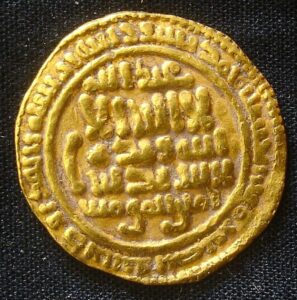
Half Dirham: Material: Silver / Weight: 0.6 grams / Length: 12 mm
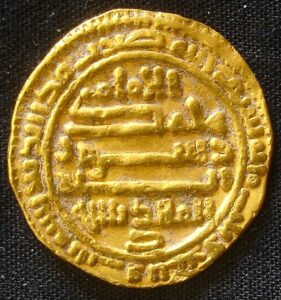
Shape: The shape of the Hafsid dinar is similar to that of the Almohad dinar in terms of shape and features and even content: a circle of two lines containing within it a square of three lines that confine the margin. The inscriptions are based on beliefs, Qur’anic verses, and the names
and titles of the sultans, and in some cases, the cities where the coin was minted. The texts are usually written in Naskhi or Kufic writing.

The dirhams are larger than the Almohad dirhams, the square of the dirham consists of three lines, while the half-dirham is of two lines.
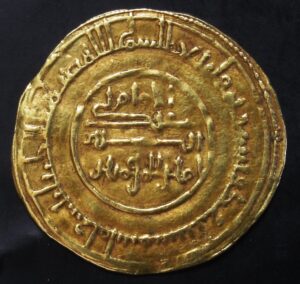
Inscriptions and writing: The texts used are the same, except for the presence of the phrase “العز بالله “.

Materials: The dirham is silver, the dinar is gold.

Zayyanid coins 633/962 AH 1552/1236 AD

The Zayyanids, of Berber origin, ruled the central Maghreb for nearly three centuries, and their control remained until the Ottoman invasion in 962 AH. Zayyanid coins are made of gold and silver and do not differ from Almohad coins in form or type, as well as in characteristics and content.

The shape of the Zayyanid dinar is a double square, surrounded by a circle consisting of two lines, to form four margins whose texts are derived from Almohad coins. There are silver dirhams featuring the Bani Zayan slogan “ما أقرب فرج الله” and the names of some rulers.
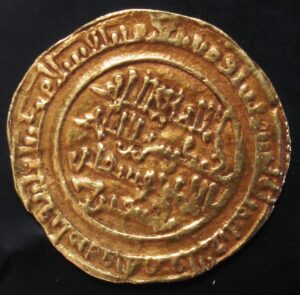
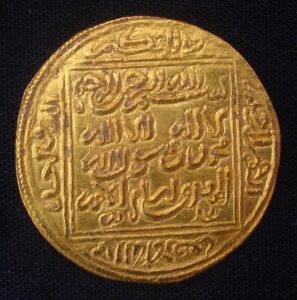
Shape: The shape of the Zayyanid dinar is in the same as the Almohad dinar in terms of shape and features and even content: a circle of two lines inside a square composed of two lines limiting the margins, the inscriptions are Quranic verses, and names and titles of sultans and in some cases of cities where the coin was minted.

Inscriptions and writing: The texts are usually written in a Naskhi style and represent Quranic verses “والهكم إله – واحد لا إله – إلا هو – الرحمن الرحيم”, while the central writing represents religious expressions “القرآن كلام الله”, “ما أقرب فرج الله” “ولاغالب إلا الله, and others. Religious expressions and formulas are also found on the back of the coins, in addition to the place and the commissioner of the minting of the coin.

Materials: The dirham is silver, the dinar is gold

Marinid coins 591 / 869 AH / 1465 / 1195 AD

The Merinid dynasty was established after the decline of the Almohad dynasty in 868 AH.

During their reign, gold coins were the main currency of exchange and circulation, they minted the Merinid dinar, its multiples, and its sub-multiples: the half and quarter. The first coins do not bear the names of the rulers.

Merinid coins were minted in many cities such as Sijilmasa, Fez, Bejaia, Tunis, and Tlemcen

Shape: The shape of the Merinid dinar is of the same style as the Almohad dinar in terms of form and characteristics and even content: a circle of two lines with a square inside composed of two lines and sometimes three lines joining the circle to form four margins which include writings: religious inscriptions, Quranic verses and the names of the rulers.

Inscriptions and writing: Among the texts used on the margins we find “بسم الله الرحمن الرحيم – صلى الله على سيدنا – محمد و آله – و سلم تسليما” and usually the city of minting and other phrases. The Marinids also included some expressions of victory.

Materials: Dirhams of silver, dinars of gold

Marinid gold coins :

Dinar / double dinar / half dinar / quarter dinar.

Silver coin: The dirham.

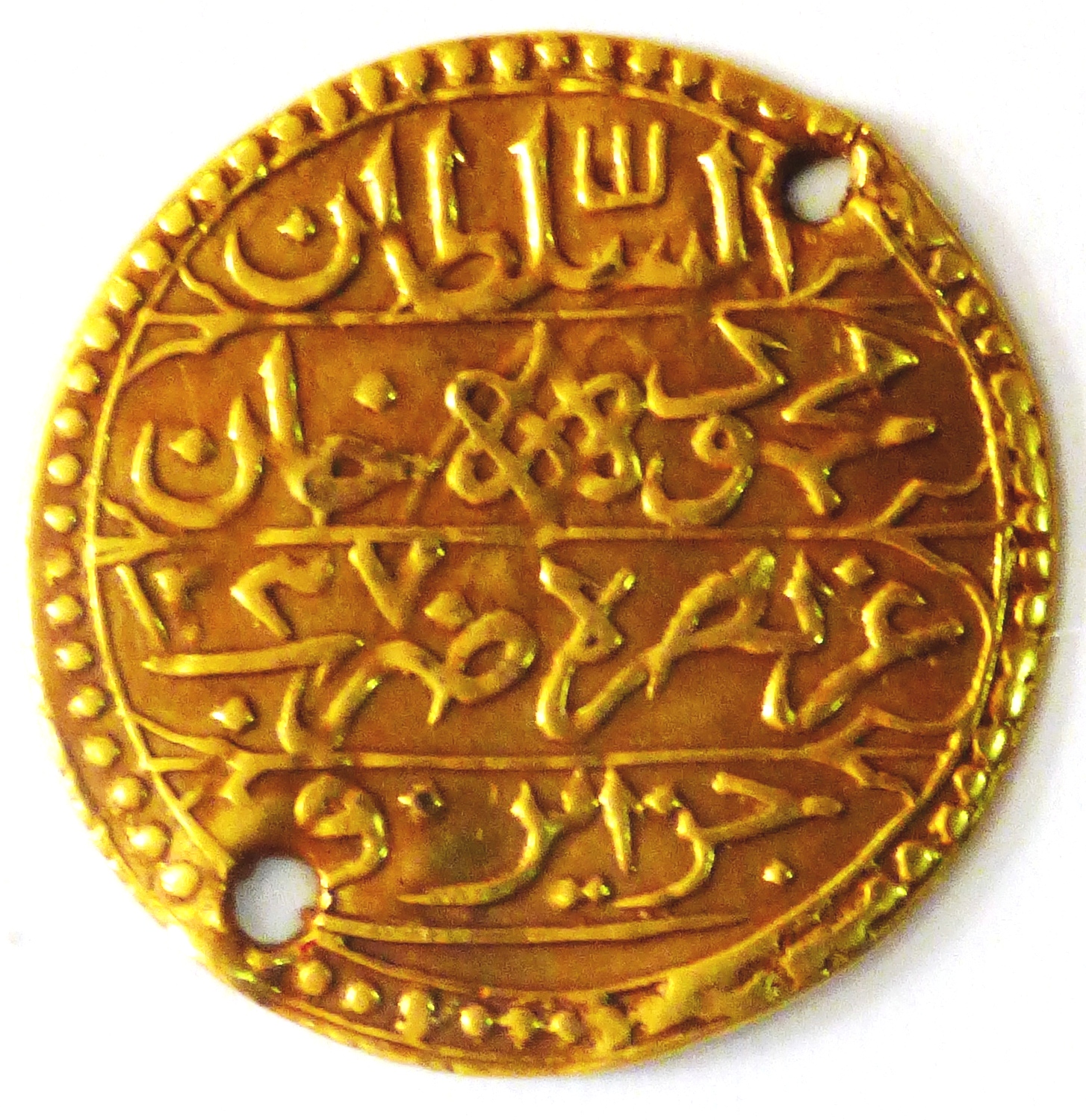
Ottoman coins 924 / 1245 AH / 1518 / 1830 AD

Relations between the Ottoman Empire and Algeria began after the latter came under Ottoman rule as a result of the support it provided to resist Spanish attacks during the reign of the Ottoman Sultan Selim I in the year 924 AH.

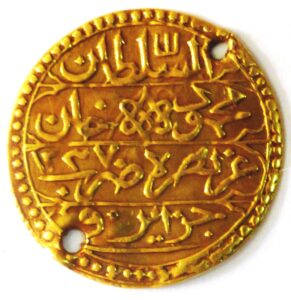
Algeria knew at that time many types of currency, such as the gold dinar and the Sultani and its sub-multiples. The Ottoman dinar shared similarities with the Zayyanid dinar, which was issued by the city of Tlemcen. Very soon, the mint was concentrated in Algeria. The minting workshops in Algiers minted the Sultani and the new Sultani, with the same characteristics as the Ottoman style.

The silver coins are the basic unit of the Algerian currency, where we find the riyal and the double of the riyal and its sub-multiples. As for the copper coins, they were minted by the city of Algiers, among them, the kharouba and the old Dirham with its sub-multiples, and the new small dirham, and it combined the circular and square shapes.

The content of the texts of Ottoman coins is different from the usual texts of earlier coins. They move away from rituals and merely mention the titles of the sultan while emphasizing the power and prestige of the empire and the desire to extend its influence, as we note the absence of the names of the rulers as it was the case in earlier coins.