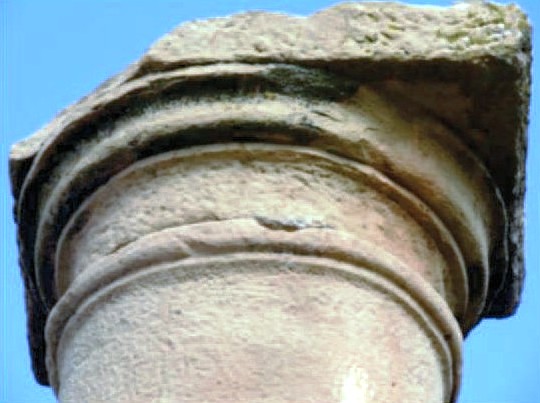
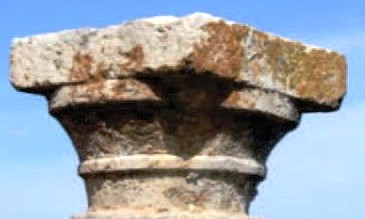
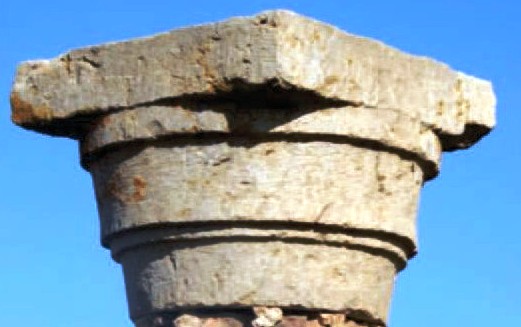
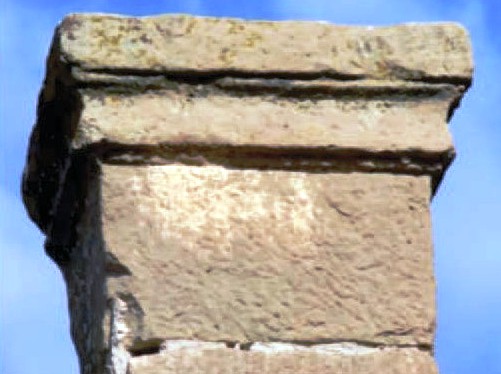
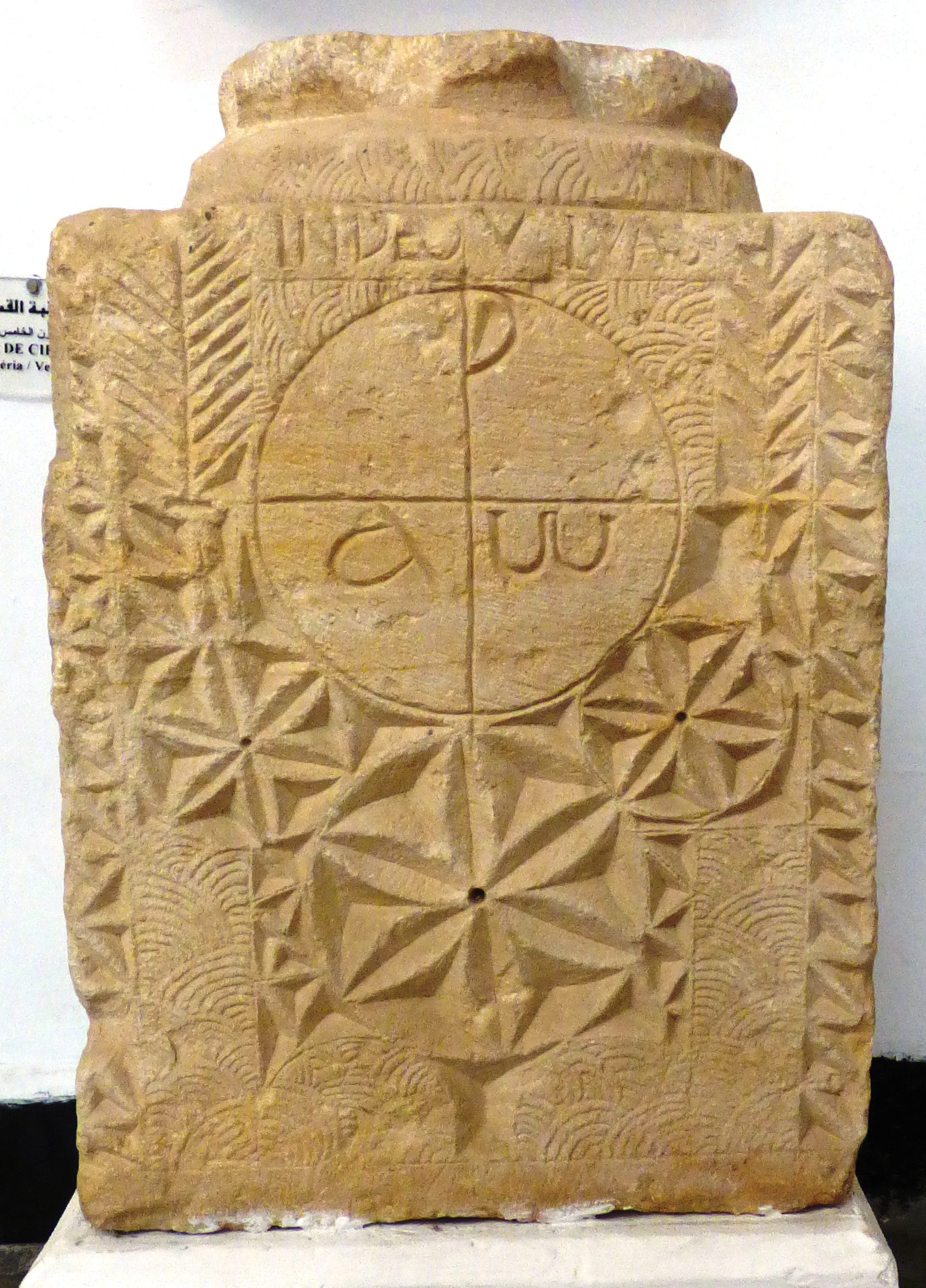
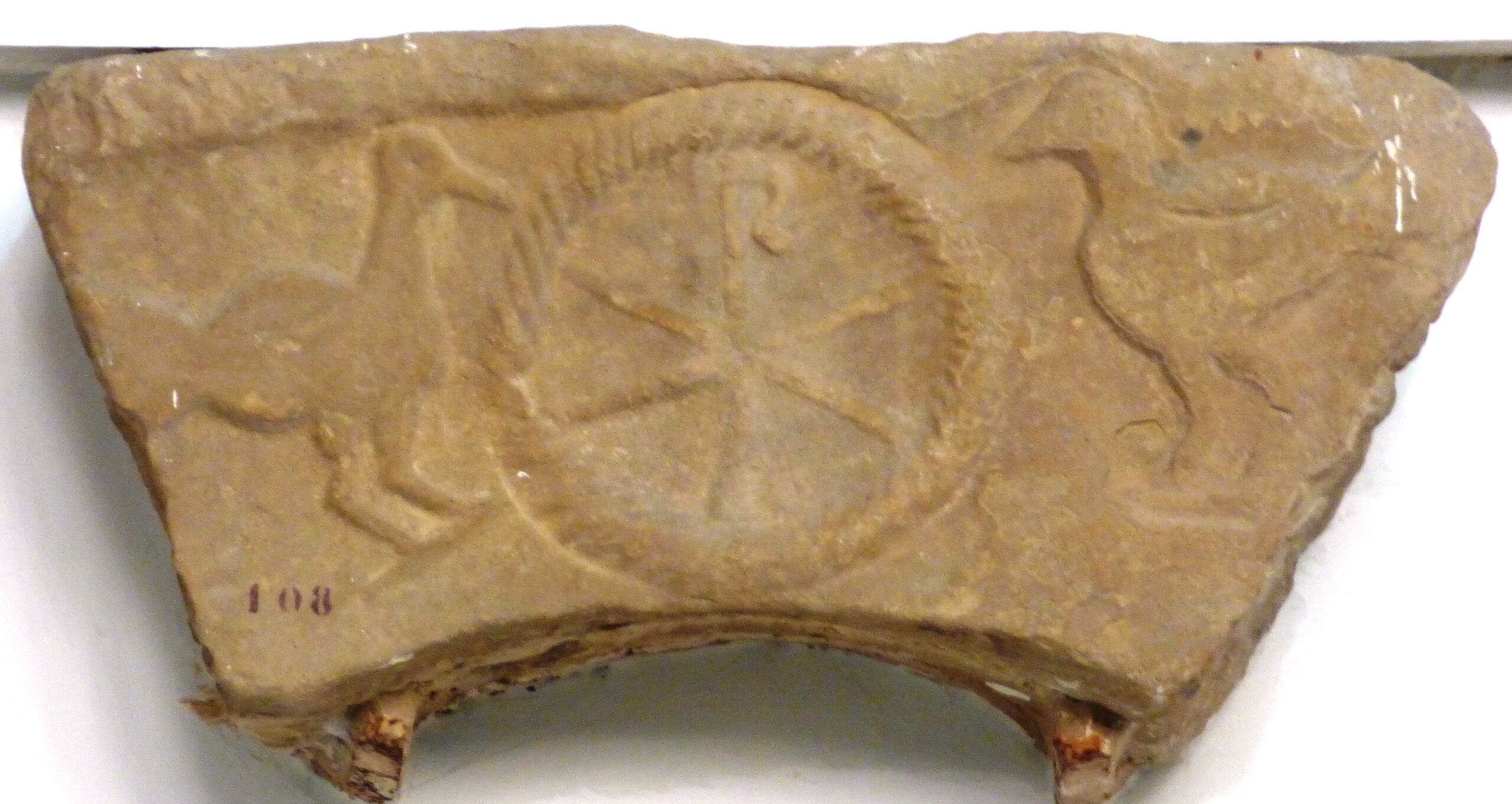
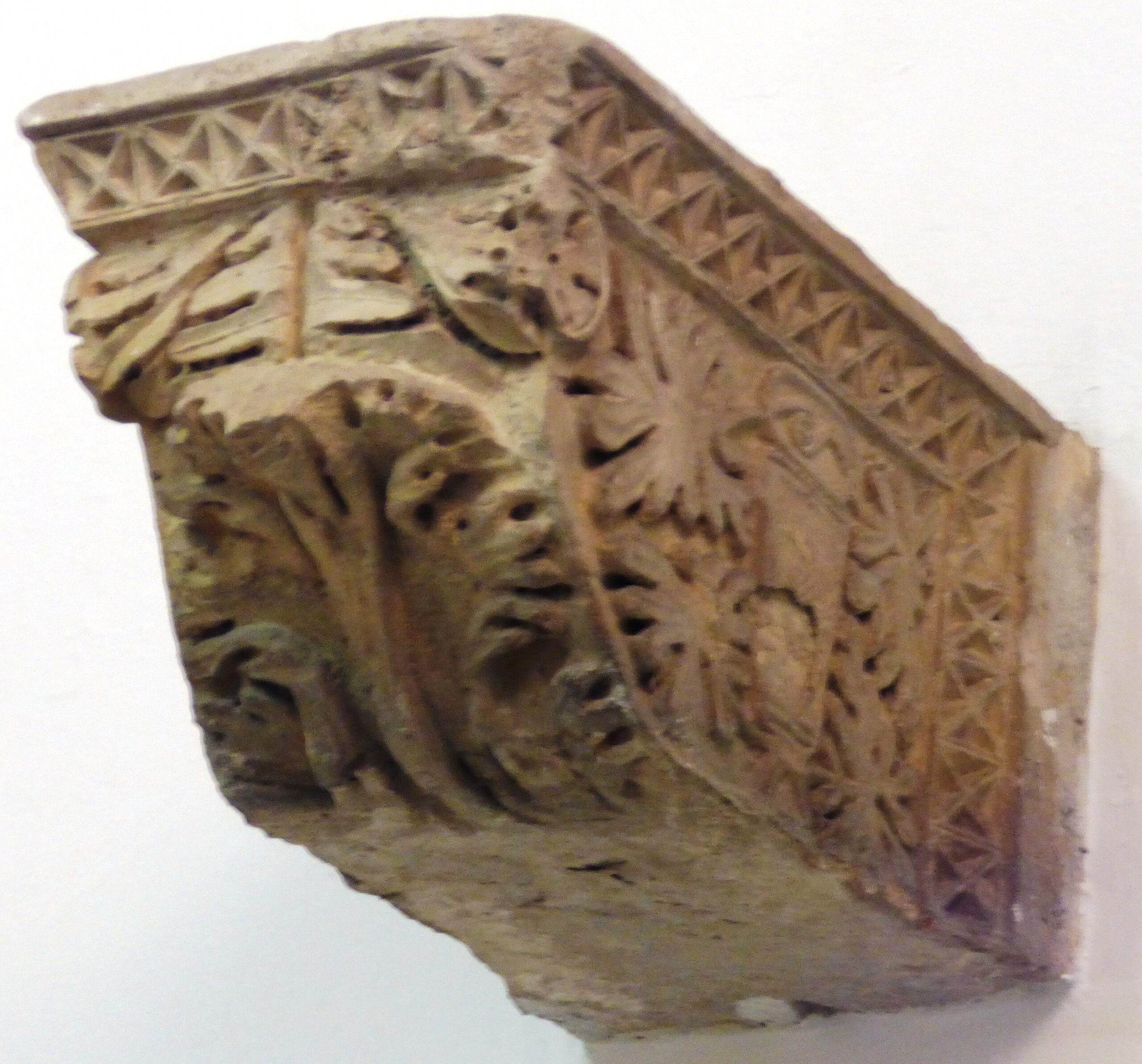
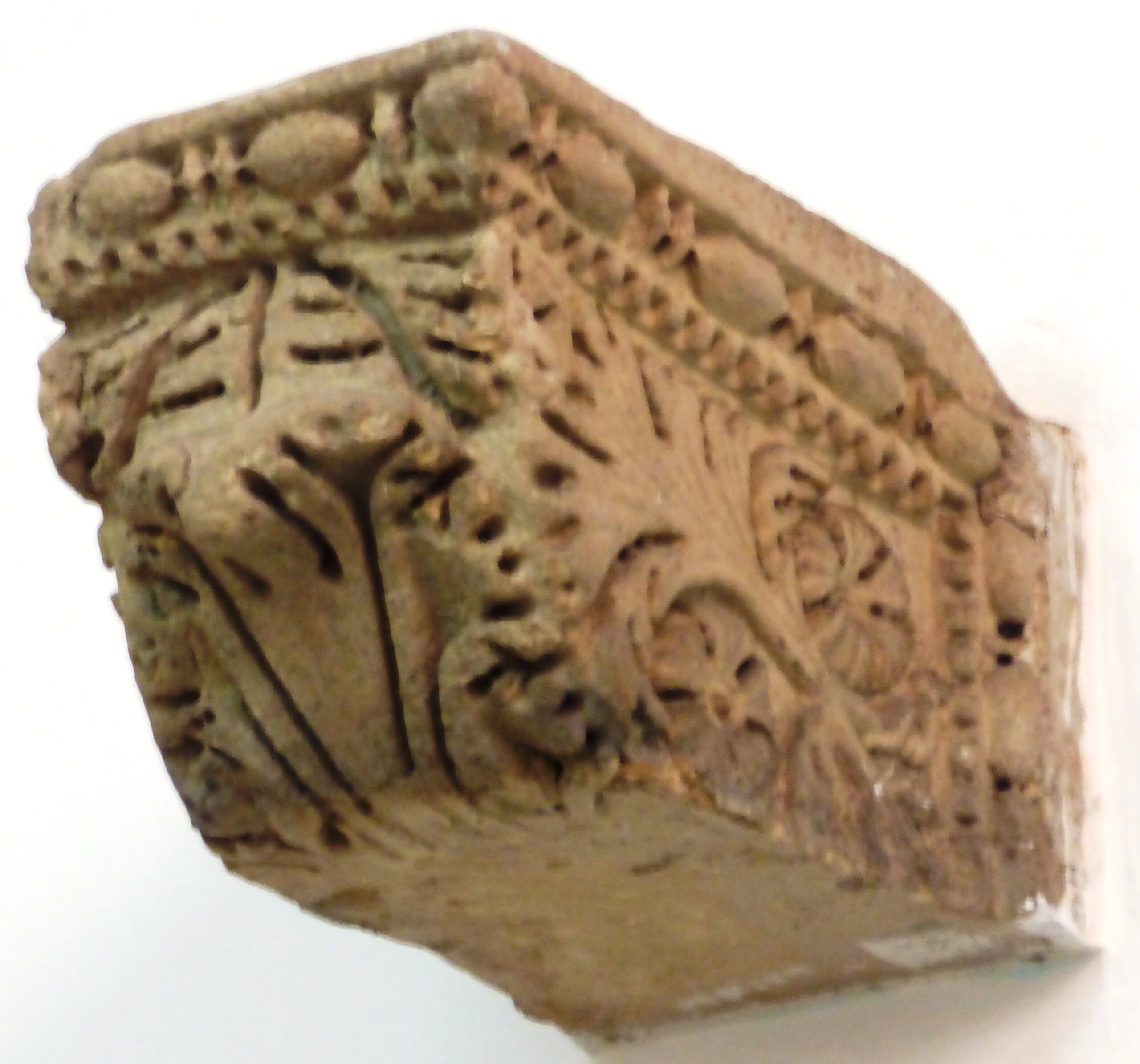
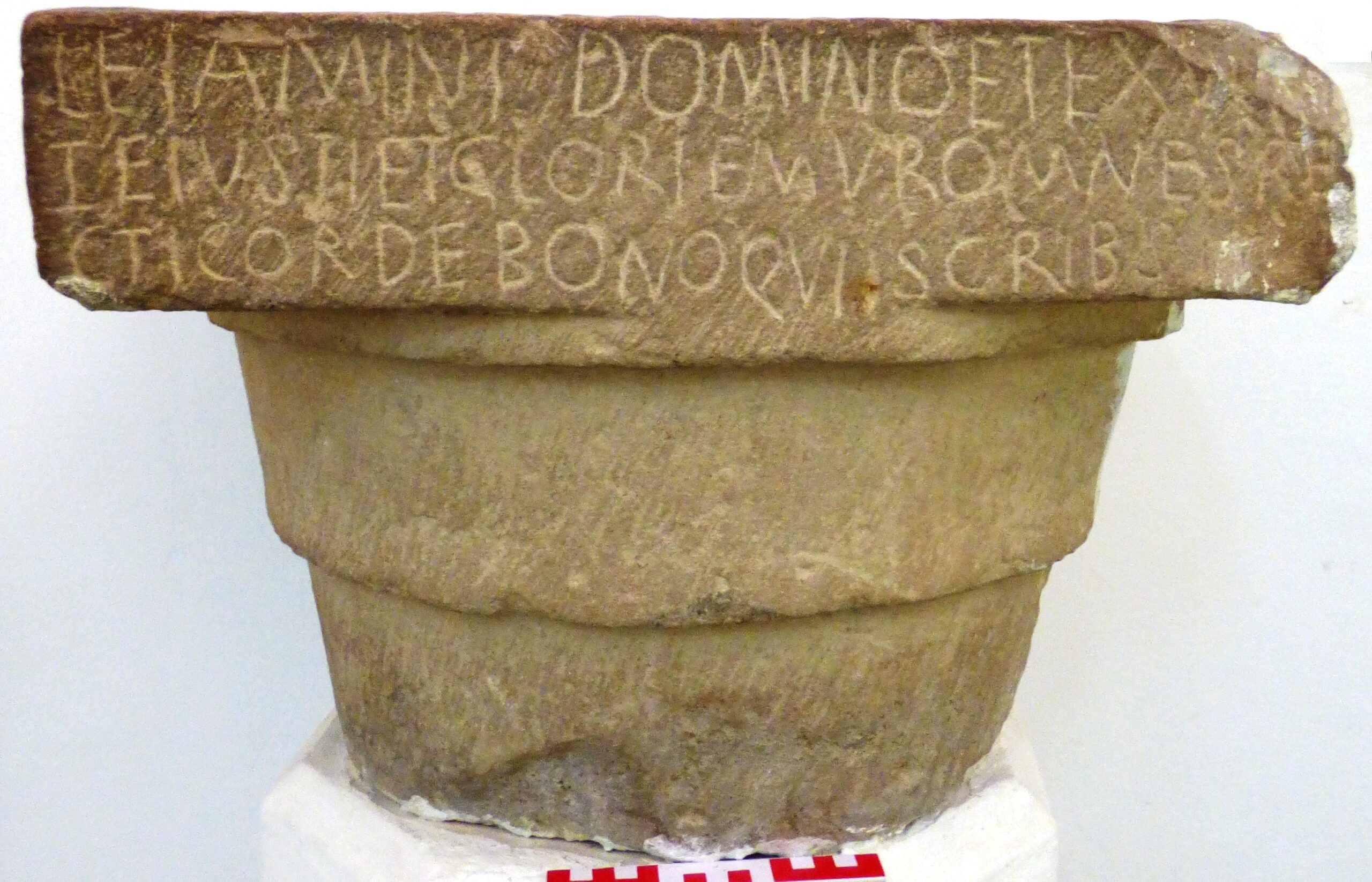
Capitals :
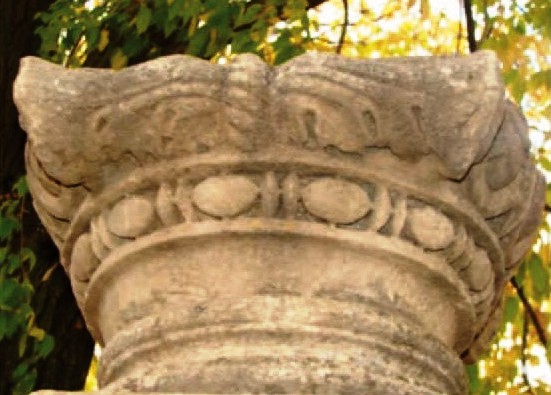
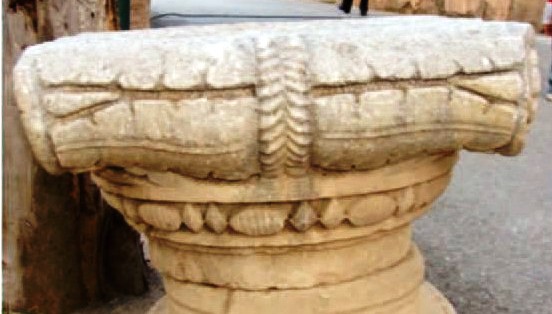
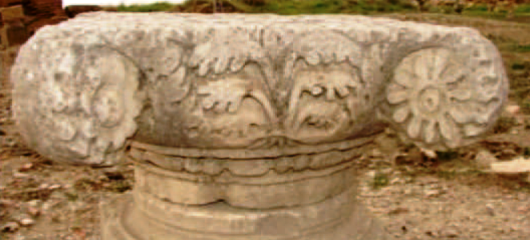
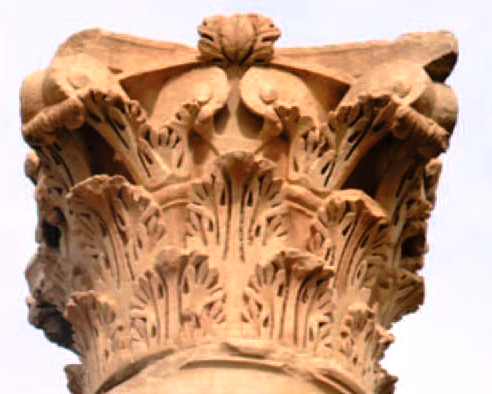
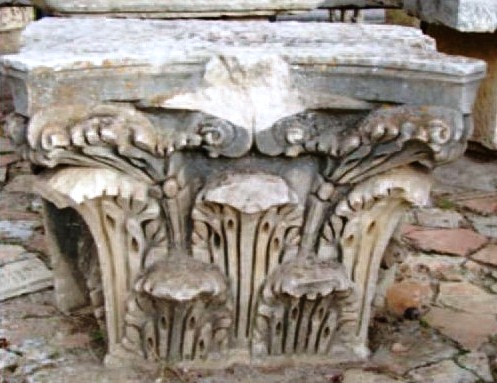
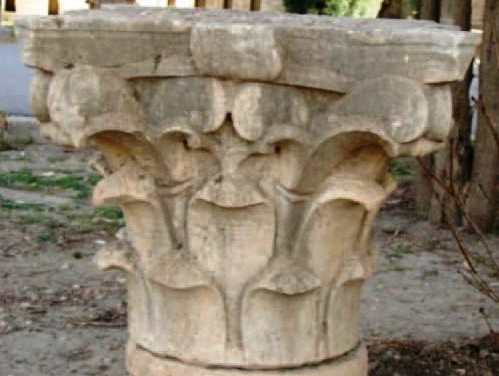
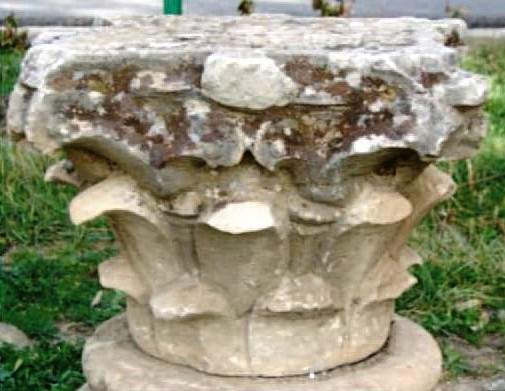
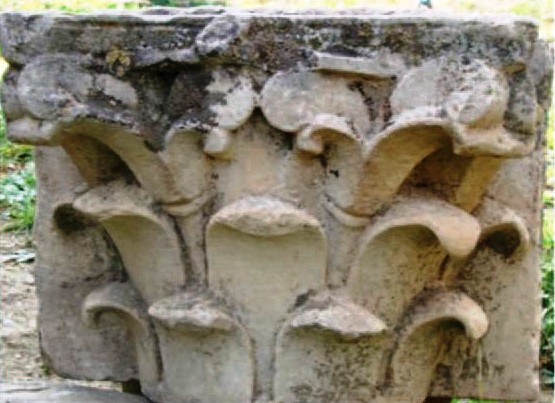
Description: The upper part of the column, it has two functions, architectural and aesthetic. It consists of two parts, the upper part is called the abacus, which can be decorated or smooth, and the lower part is decorated according to the style of the column. The most common is the Doric, Ionian, Corinthian, Tuscan and composite styles. (Other forms can be also found).
The Doric: a simple capital composed of a square-shaped and wide abacus, an echinus which represents the body of the capital, and a torus which separates the capital from the column.
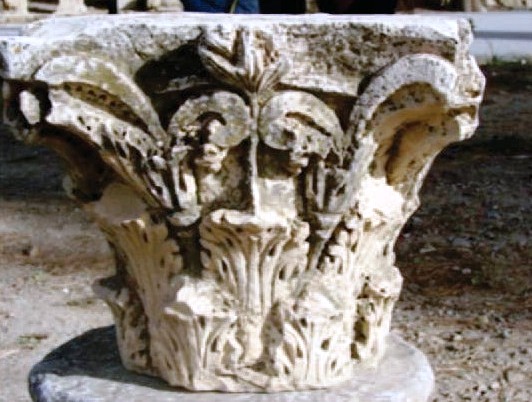
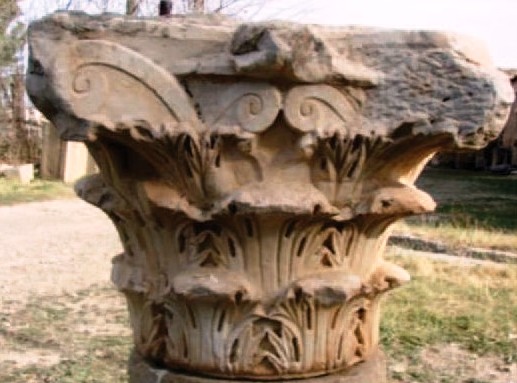
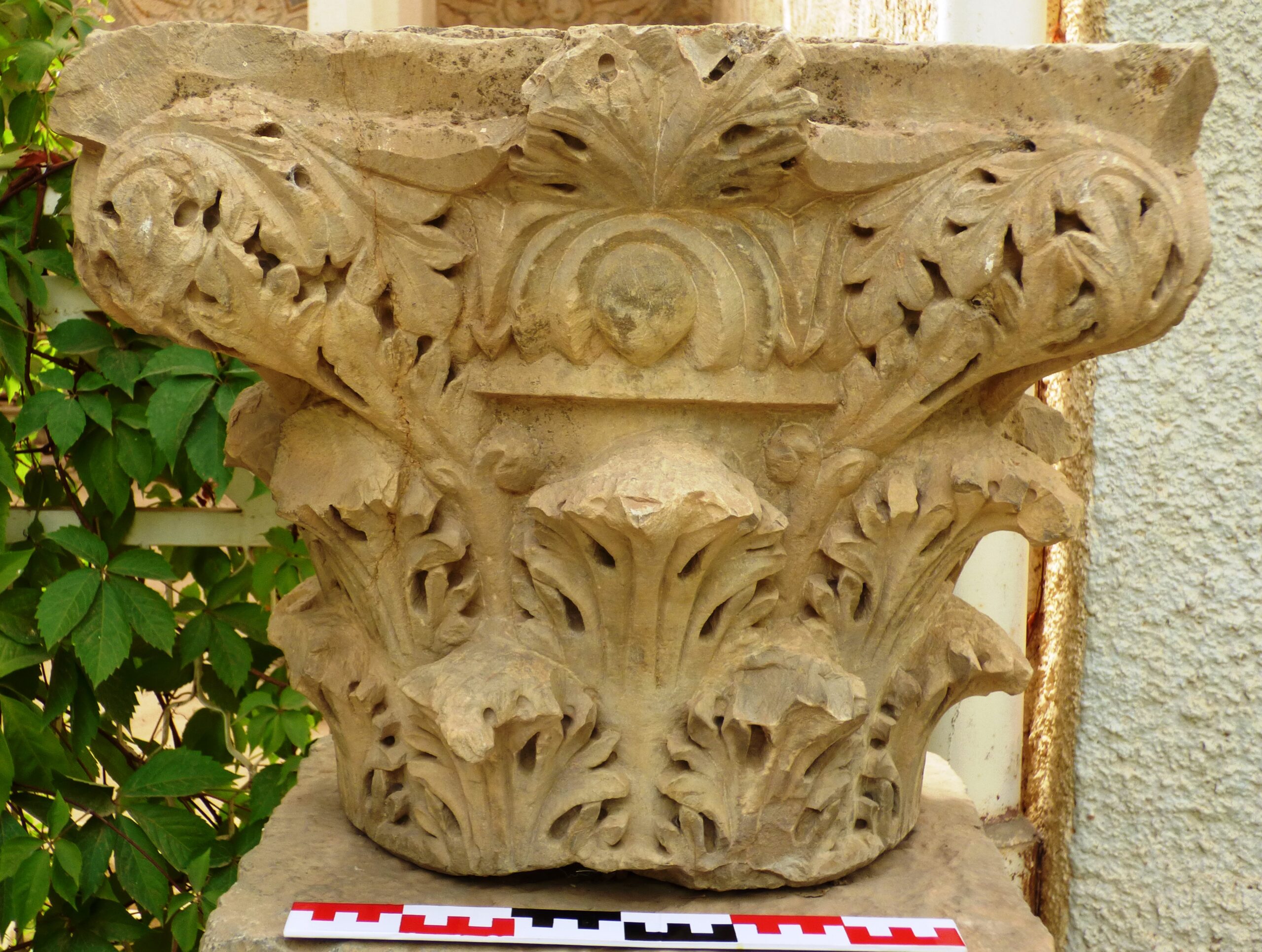
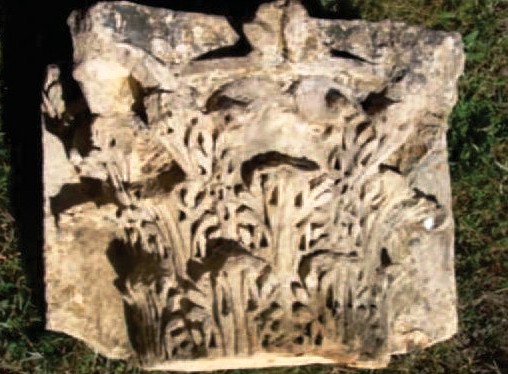
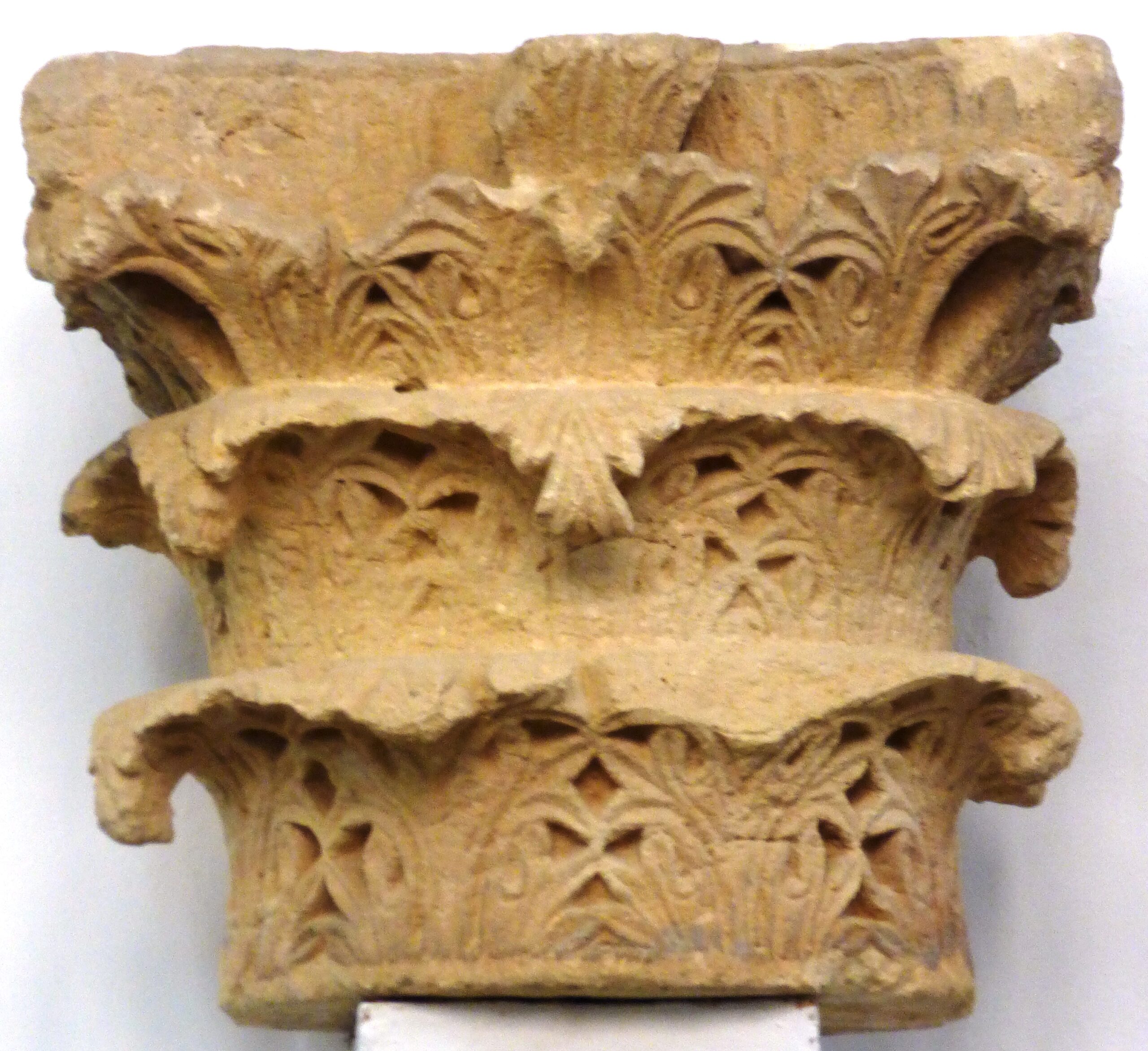
The Corinthian: the major features are the two rows of acanthus leaves.
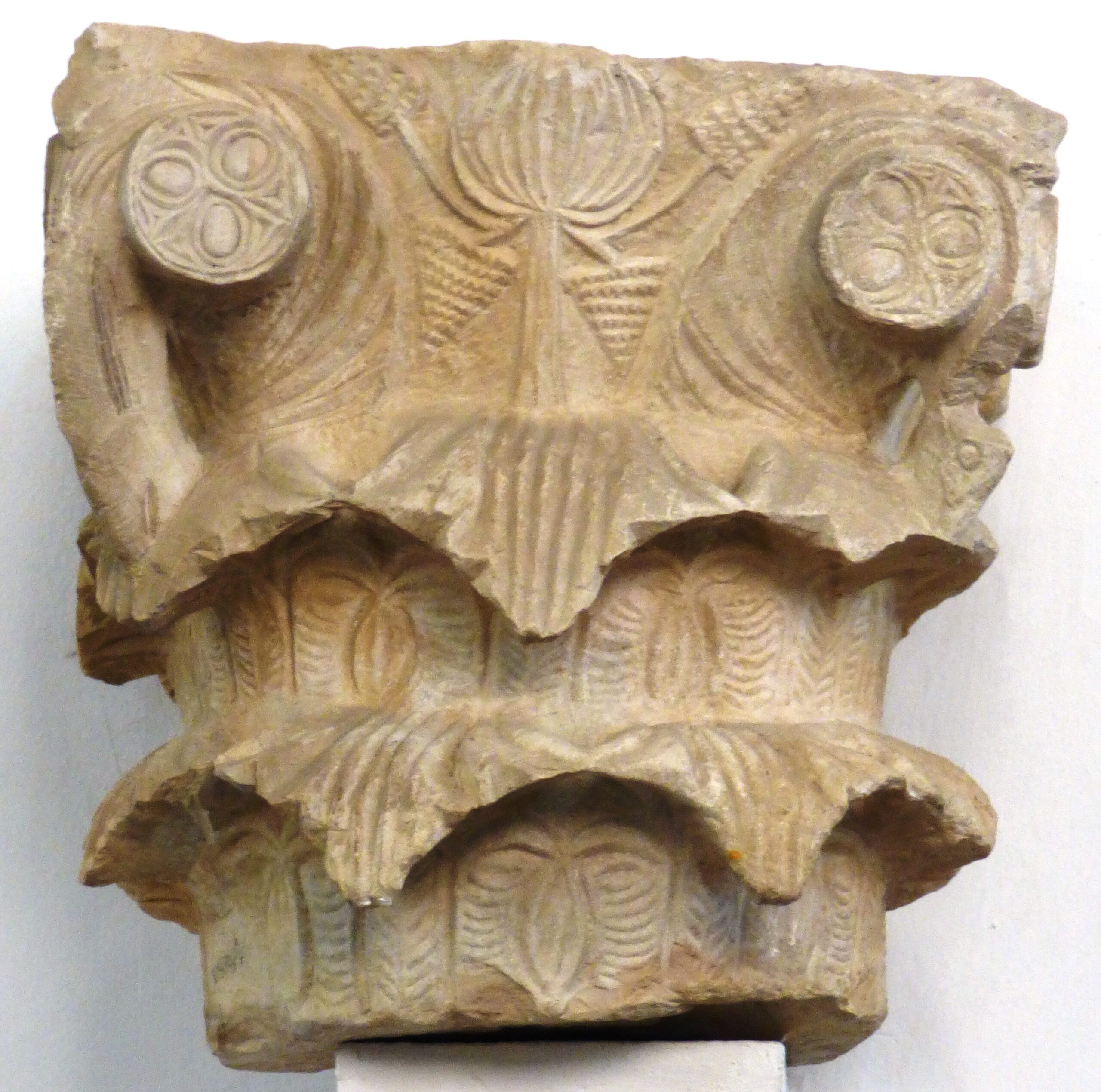
The Ionic: the main characteristics of the Ionic capital are the volutes: an ornamental motif consisting of a winding in the form of a spiral.
The Composite: is a mix of the Corinthian and the Ionic capitals, the highly developed volutes of the Ionic capital are added to the acanthus of the Corinthian capital.
The Tuscan: composed of a quarter round (a convex molding), an abacus ( a flat slab), and an astragal (rounded molding).
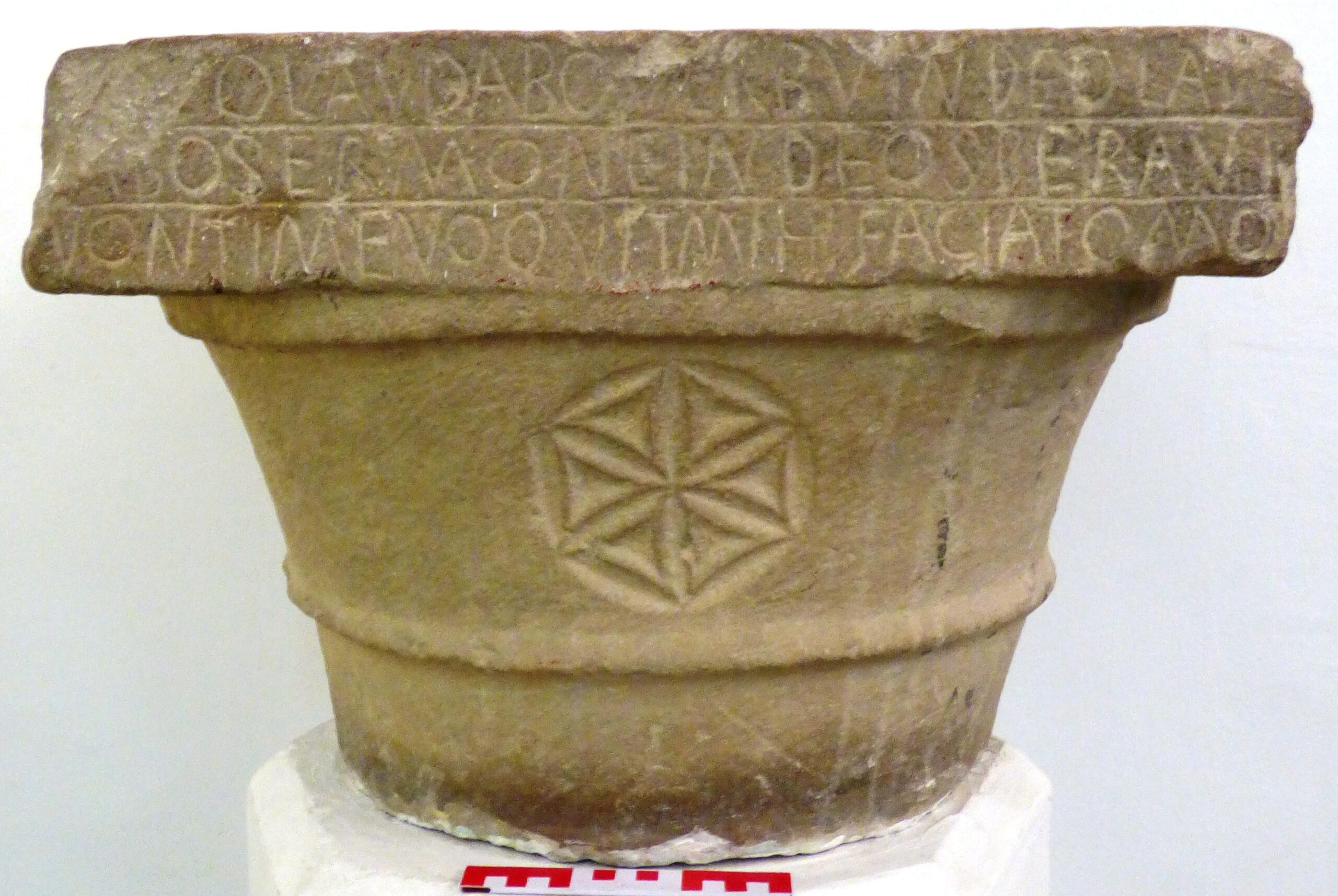
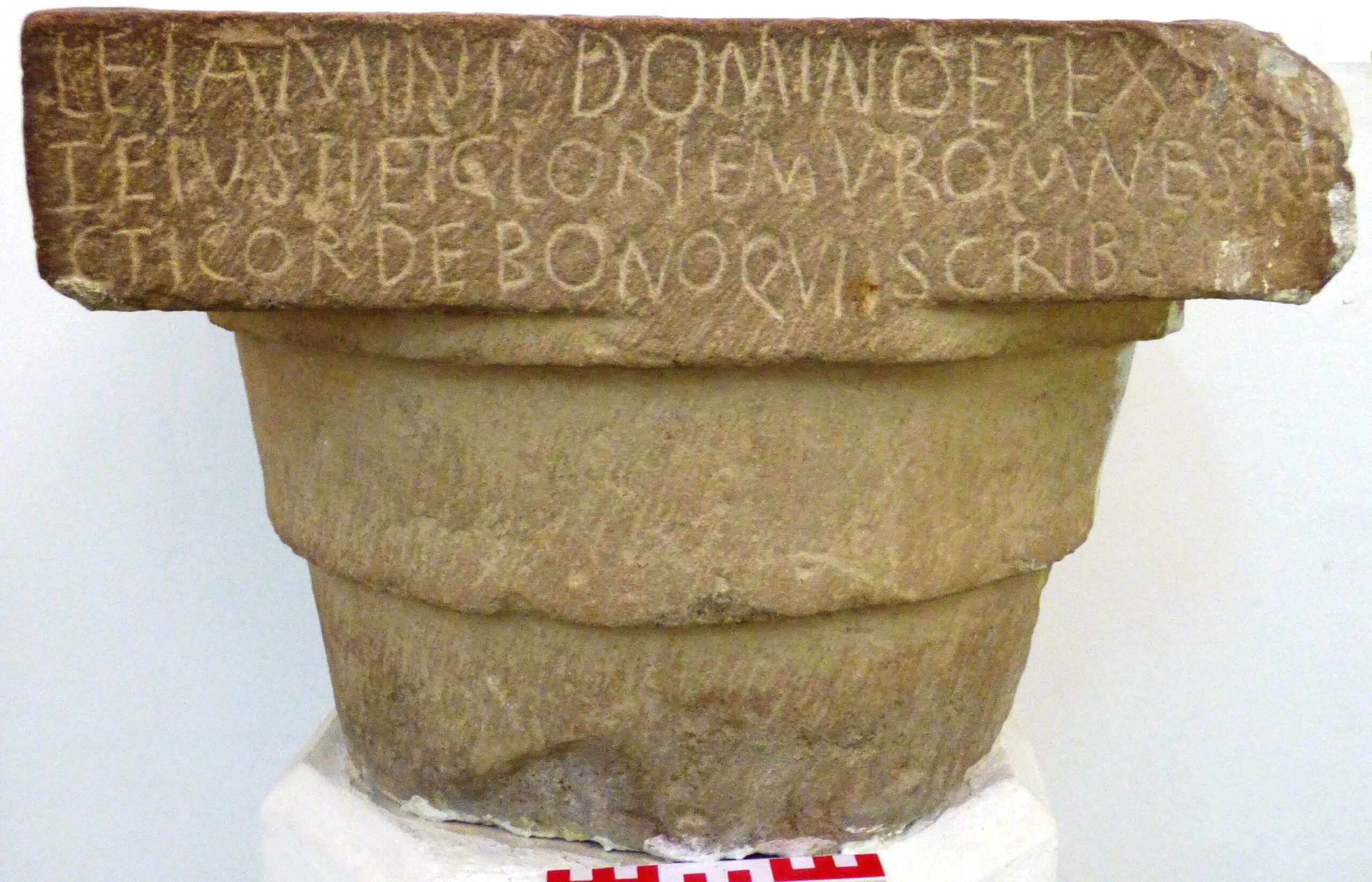
Other forms that don’t fall into these categories exist.